Types of Acne: Causes, Symptoms & Best Treatment Options
Acne is one of the most common skin conditions affecting people worldwide. From teenagers to adults, acne can disrupt confidence, affect daily life, and even leave long-lasting scars if not treated properly. In Malaysia, studies show that up to 80% of teenagers and 50% of adults experience acne at least once in their lives. Understanding acne, its types, causes, and best treatment options is crucial for healthy, radiant skin. This guide provides a comprehensive overview of acne, helping you understand how to manage it effectively.
Understanding Acne: A Quick Overview
Acne is one of the most common skin conditions worldwide, affecting millions across all age groups. It develops when hair follicles become blocked with excess sebum, dead skin cells, and bacteria. This combination creates an environment where inflammation and breakouts can develop. Acne can take many forms, ranging from mild whiteheads and blackheads to inflamed pimples, painful nodules, and even deep cysts that can cause long-term skin damage.
Acne isn’t only a concern for teenagers; many adults also struggle with breakouts, often triggered by hormonal shifts, stress, or lifestyle factors. Although acne is often seen as a cosmetic issue, it is a medical skin condition that requires proper attention and treatment to prevent complications such as scarring or dark marks.
Key Facts About Acne:
- Acne is not caused by poor hygiene. A common misconception is that acne results from dirt or insufficient cleansing, but this is not true. Overwashing, scrubbing too hard, or using harsh products can damage the skin and make acne flare-ups worse rather than helping.
- Hormones, genetics, and environmental factors are major contributors. Hormonal fluctuations—whether during puberty, menstruation, pregnancy, or conditions like PCOS (Polycystic Ovary Syndrome), can trigger excessive oil production and inflammation. Genetics also play an important role, so if your parents experienced acne, your risk of developing it is higher. Environmental factors, including pollution, high humidity, and exposure to certain chemicals or skincare products, can further aggravate acne.
- Acne can develop in many areas of the body. While the face is the most common area affected, acne can also develop on the chest, back, shoulders, and even the neck. Body acne can be persistent and sometimes more difficult to treat than facial acne due to thicker skin and oilier areas.
- Untreated acne can lead to long-term effects, including scars, pitted skin, and dark spots. Persistent or severe acne may leave behind scars, pitted skin, or hyperpigmentation, which are often challenging to treat later. Early intervention with proper skincare and professional treatment can reduce flare-ups, prevent long-term damage, improve skin health, and promote a clearer, smoother complexion.
Types of Acne
Acne is not a one-size-fits-all problem. Knowing the type of acne you have is essential for effective treatment.
1. Whiteheads (Closed Comedones): Whiteheads are small, flesh-colored bumps with a closed surface. They occur when pores are clogged but remain closed.
Features:
- Small, smooth bumps
- Can appear in clusters
- Usually painless
2. Blackheads (Open Comedones): Blackheads are like whiteheads, but the trapped material is exposed to air, causing oxidation and a dark appearance.
Features:
- Dark or black tip
- Open pore
- Commonly found on areas such as the nose, forehead, and chin.
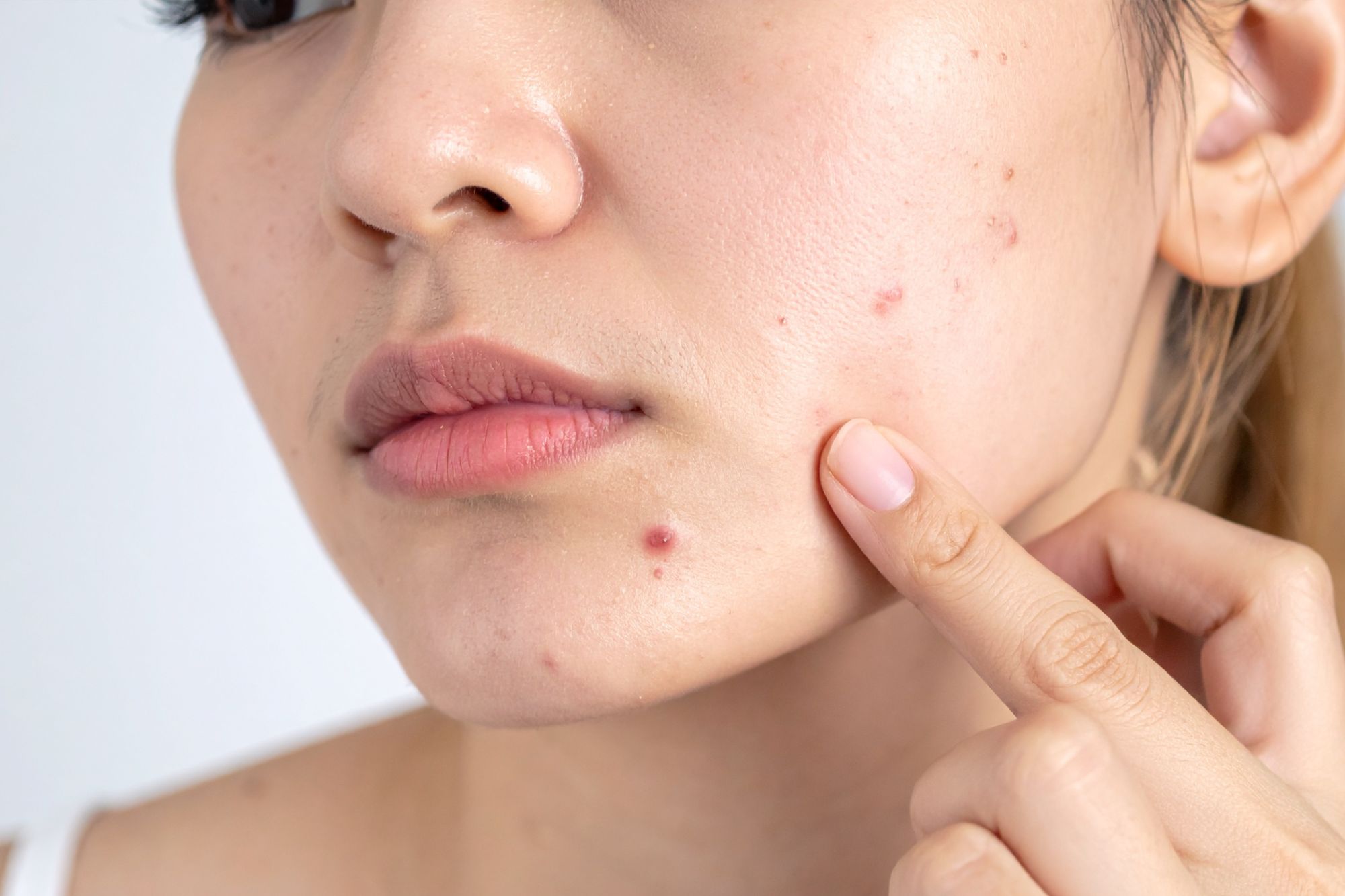
3. Papules: Papules are inflamed, red bumps without pus. They are tender and can signal a moderate acne stage.
Features:
- Small, red, raised bumps
- Sensitive to touch
- Can turn into pustules if infected
4. Pustules: Pustules are red bumps filled with pus. They are inflamed and can be painful.
Features:
- White or yellow centre
- Red base
- Often requires treatment to prevent scarring
5. Nodules: Nodules are large, solid, and painful bumps beneath the skin. They form when inflammation goes deeper.
Features:
- Can be persistent
- High risk of scarring
6. Cystic Acne: Cystic acne is the most severe form, characterised by deep, pus-filled lesions.
Features:
- Large, painful, and red
- May cause scarring
- Requires medical treatment
Common Causes of Acne
Acne develops due to multiple factors. Some causes are internal, while others are external.
1. Hormonal Imbalance
- Hormones like androgens increase sebum production, which can cause acne.
- Common in teenagers, pregnant women, and those with PCOS (Polycystic Ovary Syndrome).
2. Genetics
- Acne often runs in families.
- If acne runs in your family, you are more likely to develop it yourself.
3. Stress
- Stress triggers cortisol production, which increases oil and inflammation.
- Studies suggest up to 40% of acne flare-ups are linked to stress.
4. Diet and Lifestyle
- High-glycemic foods like sugar and refined carbs may worsen acne.
- Excess dairy consumption has also been linked to acne in some studies.
5. Poor Skincare Habits
- Over-washing or using harsh products can irritate skin.
- Using comedogenic makeup may block pores.
6. Environmental Factors
- Pollution, humidity, and heat can exacerbate acne.
- Sweat trapped under clothing may trigger body acne.
Symptoms of Acne
Acne symptoms can vary widely depending on the type and severity of acne. Recognising these symptoms early is essential, as timely treatment can prevent acne from worsening and reduce the risk of scarring or dark spots. Acne is more than just occasional pimples—it’s a skin condition that develops when pores are clogged with excess oil, dead skin cells, and bacteria, often leading to visible, sometimes painful changes on the skin.
Common Symptoms of Acne:
- Small bumps on the skin: Acne often starts as tiny raised bumps that may be flesh-coloured, white, or slightly red. These bumps, also called comedones, can appear individually or in clusters and are usually the first visible signs of acne.
- Redness and inflammation: As acne progresses, the affected skin may become red, swollen, and inflamed. The redness and swelling are caused by the body’s immune response to bacteria and trapped debris within the pores. Inflamed areas may feel warm to the touch and can be more sensitive than the surrounding skin.
- White or yellow pus-filled lesions: Pustules are a common symptom of moderate acne. These are small bumps filled with pus, often appearing white or yellow at their tips. They result from the accumulation of bacteria, dead skin cells, and oil under the skin. Pustules can be painful and, if popped, may increase the risk of infection or scarring.
- Tenderness or pain: Some types of acne, especially nodules and cysts, can be deep and painful. These lesions form under the skin and may cause significant discomfort. Painful acne is usually a sign of more severe inflammation and often requires professional treatment to prevent permanent damage.
- Scarring and dark spots (hyperpigmentation): Severe acne or untreated acne can leave long-lasting effects on the skin, including scars, pitted areas, and dark spots. Post-inflammatory hyperpigmentation is especially common in people with medium- to dark-skinned tones. These marks may take months to fade and sometimes require professional treatments such as laser therapy, chemical peels, or microneedling to improve.
Acne Severity Classification
Acne is classified based on intensity and lesion type:
1. Mild Acne
- Mostly whiteheads and blackheads
- Few papules or pustules
- Often manageable with topical treatments
2. Moderate Acne
- Numerous papules and pustules
- Inflammation is visible
- May involve both topical creams and oral medications.
3. Severe Acne
- Nodules and cysts present
- High risk of scarring
- Requires dermatologist-supervised treatment
Best Treatment Options for Acne
Acne treatment depends on type, severity, and skin condition. At MedicDeno, we provide a range of evidence-based treatments for effective results.
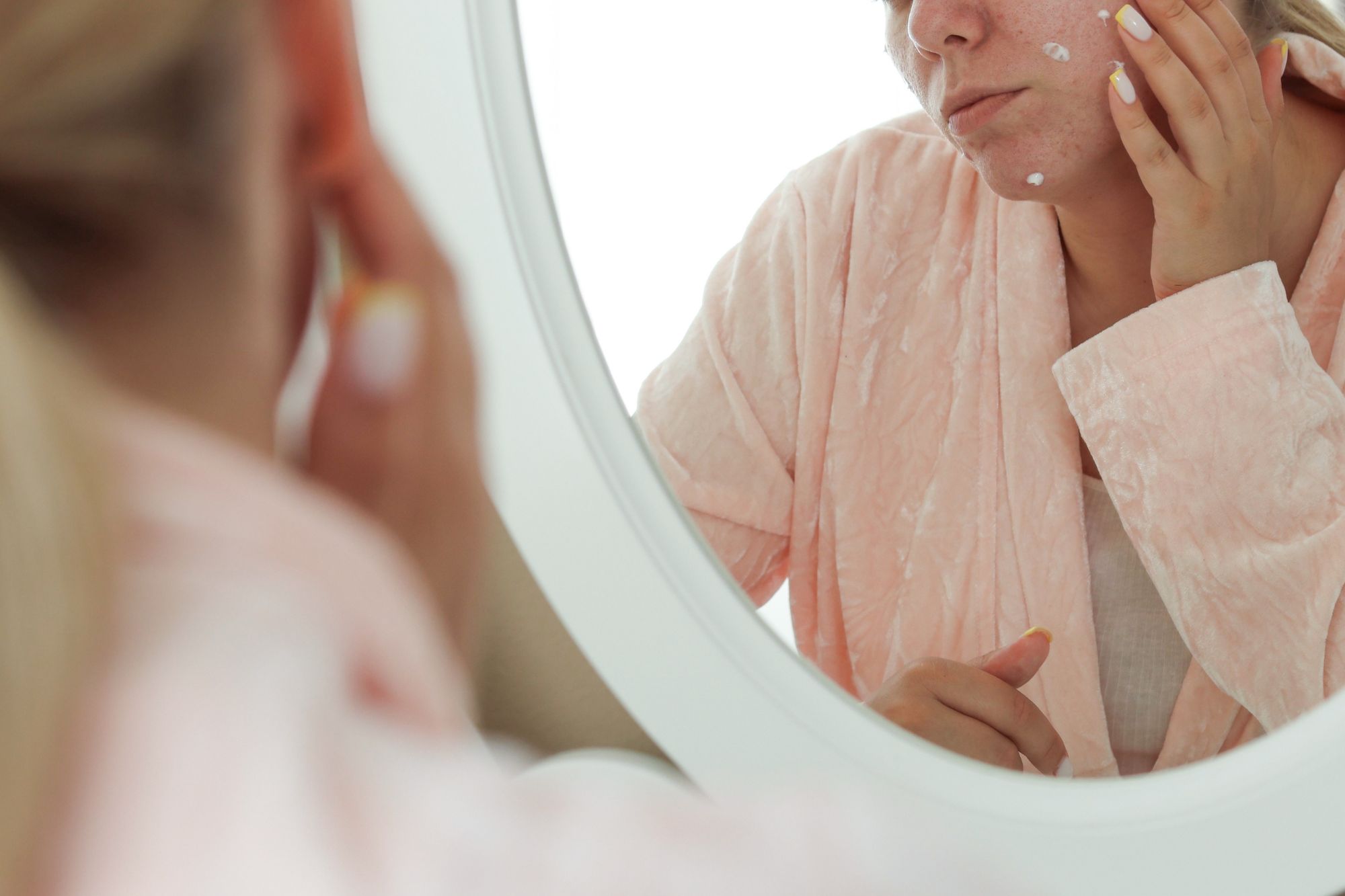
1. Topical Treatments
- Benzoyl Peroxide: Reduces bacteria and inflammation
- Salicylic Acid: Helps unclog pores
- Retinoids: Encourage faster skin cell turnover, helping to prevent pores from becoming clogged
2. Oral Medications
- Antibiotics: Reduce inflammation and bacterial growth
- Hormonal Therapy: Useful for women with hormonal acne
- Isotretinoin: For severe, cystic acne
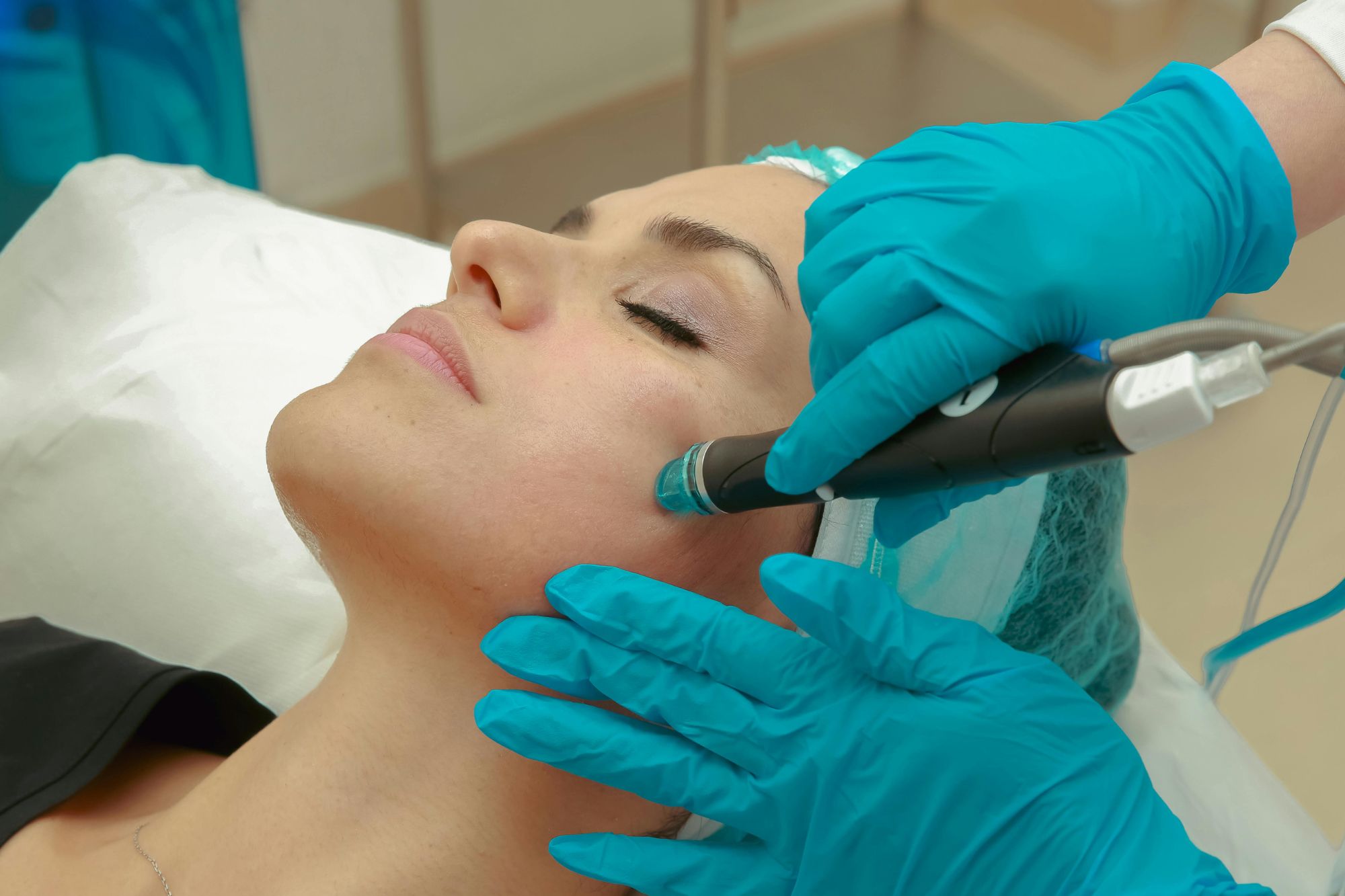
3. Professional Facials
- Customised facials target specific acne types
- Extract blackheads, reduce oil, and soothe inflammation
4. Laser and Light Therapy
- Blue Light Therapy: Targets acne-causing bacteria
- Laser Resurfacing: Improves texture and reduces scars
5. Chemical Peels
- Mild chemical peels remove dead skin cells
- Can improve acne-prone skin and lighten pigmentation
6. Microneedling
- Stimulates collagen production
- Aids in minimising acne scars and enhancing overall skin texture.
Special Acne Cases
While many people experience mild or moderate acne that can be managed with standard skincare routines, some acne cases require special attention due to their unique causes, risks, or complications. Understanding these special cases is important to ensure proper treatment and prevent long-term skin damage.
1. Adult Acne: Adult acne refers to breakouts that occur after the teenage years, affecting people in their 20s, 30s, and 40s. Unlike teenage acne, which is often triggered by puberty-related hormonal changes, adult acne is usually hormonally driven or influenced by lifestyle factors.
- Hormonal fluctuations: linked to menstrual cycles, pregnancy, menopause, or conditions like PCOS (Polycystic Ovary Syndrome) can lead to persistent breakouts.
- Stress and lifestyle factors: including lack of sleep, unhealthy diet, or high-stress work environments, may also trigger flare-ups.
- Adult acne can be more stubborn and is often concentrated along the jawline, chin, and lower cheeks.
Treatment for adult acne may involve a combination of topical therapies, oral medications, hormonal treatments, and professional procedures to manage both breakouts and prevent scarring.
2. Acne During Pregnancy: Acne during pregnancy is another special case that requires careful management. Hormonal changes during pregnancy often increase oil production in the skin, leading to more frequent or more noticeable breakouts.
- Pregnant women must avoid certain acne medications, such as isotretinoin and some oral retinoids, as these can harm the developing baby.
- Safe treatment options include gentle cleansers, non-comedogenic moisturisers, and certain topical medications recommended by dermatologists.
- Professional treatments such as mild facials, laser therapy, or chemical peels can also be adapted safely under expert supervision.
Proper guidance during pregnancy ensures that both mother and baby remain safe while effectively managing acne symptoms.
3. Acne Scarring: Acne scarring occurs when inflamed acne lesions, such as cysts or nodules, damage the deeper layers of the skin. Acne scars can differ in both appearance and severity, including pitted, icepick, rolling, and hypertrophic (raised) scars.
- Scarring is more likely if acne is severe, left untreated, or frequently picked or squeezed.
- Treating acne scars often requires professional interventions such as laser resurfacing, microneedling, dermal fillers, or chemical peels to improve skin texture and appearance.
- Combining scar treatments with active acne management can prevent new breakouts from worsening existing scars.
- Special acne cases highlight the importance of personalised treatment plans. Acne is not the same for everyone, and understanding the underlying cause, severity, and individual skin type is essential to achieving effective results and maintaining healthy skin.
When to See a Dermatologist?
While mild acne can often be managed with over-the-counter products and a good skincare routine, there are situations where professional care from a dermatologist becomes essential. Consulting a dermatologist at the right time can prevent acne from worsening, reduce the risk of permanent scarring, and help you maintain healthy, clear skin.
Signs You Should See a Dermatologist:
- Acne persists for more than 3 months: If you have been treating your acne at home with cleansers, topical creams, or over-the-counter medications for several weeks and have seen little to no improvement, it may be time to seek professional help. Persistent acne may indicate underlying hormonal imbalances, bacterial infection, or other factors that require targeted treatment.
- Lesions are severe, cystic, or painful: Severe acne includes deep nodules or cysts that are often red, inflamed, and tender. These types of lesions can be highly uncomfortable and are more likely to leave permanent scars if proper treatment is not given. A dermatologist can provide specialised treatments such as oral medications, laser therapy, or professional extraction to address these severe cases.
- Acne leaves dark spots or scars: Post-inflammatory hyperpigmentation (dark spots) and acne scars are common consequences of untreated or severe acne. Once scars develop, they can be challenging to remove with home care alone. Dermatologists offer advanced procedures, including chemical peels, microneedling, laser resurfacing, and dermal fillers, to help restore smooth and even skin.
- Over-the-counter treatments do not work: Many people try topical creams, gels, or cleansers without seeing significant results. If acne does not respond to these treatments within a few weeks, it may require prescription-strength medications or professional procedures that a dermatologist can provide.
Why Early Intervention Matters:
Seeking professional care early can prevent acne from progressing into more severe forms that are harder to treat. Taking action early helps lower the chances of long-term skin damage, such as scarring or discolouration, and can improve emotional well-being. Acne can affect self-confidence, social interactions, and mental health, so timely treatment not only benefits your skin but also your overall quality of life.
A dermatologist can examine your acne type, identify underlying causes, and design a personalised treatment plan that combines medical therapy, skincare routines, and professional procedures. With the right guidance, even severe or persistent acne can be managed effectively, leaving your skin clearer, healthier, and more resilient.
Tips to Prevent Acne
Prevention is better than a cure. Here are actionable steps:
- Use a gentle, skin-appropriate cleanser to wash your face twice daily.
- Avoid harsh scrubs that irritate skin.
- Use non-comedogenic skincare and makeup.
- Maintain a healthy, balanced diet by eating more vegetables while limiting sugar intake.
- Manage stress through meditation, exercise, or sleep.
- Avoid touching or picking at your skin.
- Stay hydrated to support skin health.
Frequently Asked Questions (FAQs)
1. Can adults develop acne?
Yes, acne is common among adults, particularly women, and is often linked to hormonal fluctuations.
2. Does chocolate cause acne?
Chocolate itself is not a direct cause, but high sugar content may trigger flare-ups.
3. How long does acne treatment take?
Mild acne may improve in 4-6 weeks, while severe acne may take 3-6 months or longer.
4. Can acne go away on its own?
Some mild cases resolve naturally, but persistent acne requires treatment to prevent scarring.
5. Are facials effective for acne?
Yes, professional facials help reduce breakouts, unclog pores, and control oil.
6. Can stress worsen acne?
Yes, stress triggers hormones that increase oil production and inflammation.
7. Is acne contagious?
No, acne is not contagious. It is a skin condition influenced by hormones and genetics.
About MedicDeno
MedicDeno is Malaysia’s leading skin solutions centre, dedicated to comprehensive skincare treatments. Our goal is to support clients in achieving healthy, glowing skin through advanced facial treatments, acne therapies, and skin rejuvenation services.
Our offerings include:
- Professional acne treatments
- Advanced facial therapies
- Laser and light-based procedures
- Anti-aging and skin brightening solutions
Acne affects millions of people worldwide, but with proper understanding and the right treatment approach, it can be effectively controlled. Identifying the type of acne, understanding its causes, and seeking proper treatment are key to achieving healthy, clear skin. From mild whiteheads to severe cystic acne, there are solutions for every type. Professional care, combined with proper skincare habits, can prevent scarring and promote radiant skin.
Don’t let acne hold back your confidence. Book consultation with MedicDeno and discover personalised acne treatment plans designed to renew, rejuvenate, and restore your skin’s natural glow.