Hormonal Acne: Causes, Signs & Effective Treatment Options
Hormonal acne is one of the most frustrating skin conditions because it often appears suddenly, lasts longer, and keeps coming back. Many people believe acne is only a teenage problem, but studies show that over 40% of adult women experience acne, with hormones being one of the main causes.
Hormonal acne not only affects appearance. It can also impact confidence, emotional well-being, and daily comfort. Unlike surface breakouts caused by dirt or skincare mistakes, hormonal acne starts from within the body, making it harder to control with regular products alone.
At MedicDeno, a leading skin solutions centre in Malaysia, hormonal acne is treated using a combination of medical expertise, advanced technology, and personalised care. This guide explains what hormonal acne is, why it happens, how to identify it, and the most effective treatment options available today.
What Is Hormonal Acne?
Hormonal acne is a type of acne that develops primarily due to hormonal imbalances. It is most often linked to fluctuations in androgens, which are male-type hormones such as testosterone. Even small increases in androgen levels can overstimulate the skin’s oil (sebum) glands. The overproduction of oil mixes with dead skin cells, blocking pores and providing an ideal environment for acne-causing bacteria to thrive. As a result, the skin experiences inflammation, redness, and deep, painful breakouts that are often more stubborn than typical acne.
Unlike acne caused by external factors like dirt or improper skincare, hormonal acne originates from internal imbalances, which is why it may persist despite using over-the-counter products or home remedies. Understanding the timing and triggers of hormonal acne is essential to managing it effectively.
When Hormonal Acne Commonly Appears?
Hormonal acne can occur during periods of significant hormonal fluctuation, including:
- Puberty: Hormone surges during adolescence can increase oil production, causing breakouts.
- Menstrual cycles: Many women experience flare-ups in the week leading up to their period due to drops in estrogen and rises in progesterone.
- Pregnancy: Hormonal fluctuations during pregnancy can trigger new breakouts or worsen existing acne.
- Post-pregnancy period: After childbirth, hormones gradually return to pre-pregnancy levels, often causing temporary acne flare-ups.
- Menopause: Changes in estrogen and progesterone levels can trigger adult-onset acne.
- Periods of high stress: Stress increases cortisol, which indirectly stimulates oil production and inflammation, making the skin more prone to breakouts.
Who Is Affected?
Hormonal acne primarily affects adults aged 20 to 45, though it can appear earlier or later depending on individual hormonal changes. While it is more common in women, men can also develop hormonal acne, particularly during periods of hormonal imbalance or increased stress.
Where Hormonal Acne Appears?
Hormonal acne often follows a predictable pattern, appearing in areas sensitive to hormonal fluctuations:
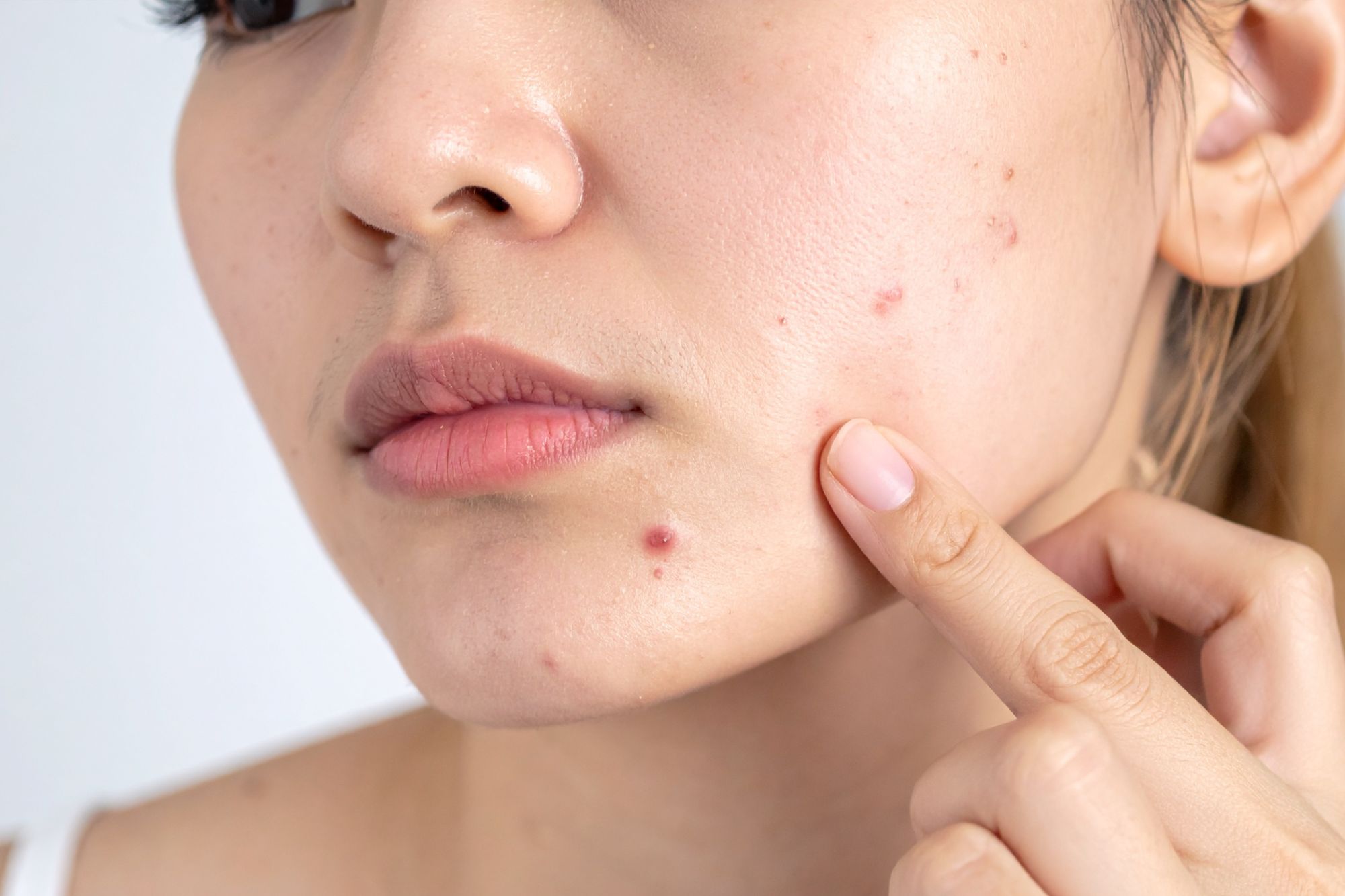
- Chin: one of the most common areas for deep, cystic breakouts.
- Jawline: often prone to recurring pimples that are slow to heal.
- Lower cheeks: flare-ups in this area may indicate hormonal influence rather than poor skincare.
- Neck: less common but can be affected, especially in severe cases.
These breakouts tend to be larger, deeper, and more painful than regular acne. They may persist for longer periods, take weeks to heal, and are more likely to leave behind scars or dark marks if not treated properly. By recognising the signs and understanding the underlying causes, individuals can take steps toward effective treatment that targets both the symptoms and the hormonal imbalance causing the acne.
Causes of Hormonal Acne
1. Hormonal Fluctuations (Hormone Changes): The primary cause of hormonal acne is hormonal fluctuation, which triggers excess oil (sebum) production. When oil mixes with dead skin cells, pores become blocked, creating an environment for acne-causing bacteria.
2. Increased Androgen Levels: Androgens stimulate sebaceous glands. Even small increases can cause:
- Oily skin
- Enlarged pores
- Inflammatory acne
Research shows that women with hormonal acne often have normal hormone levels, but their skin is more sensitive to hormonal changes.
3. Menstrual Cycle Changes: Acne flare-ups often occur 7 to 10 days before menstruation, when estrogen drops, and progesterone rises.
4. Medical Conditions: Certain conditions increase the risk of hormonal acne, such as:
- Polycystic Ovary Syndrome (PCOS)
- Thyroid disorders
- Insulin resistance
- Genetics (Inherited Factors)
If close family members experienced adult acne, the likelihood of developing hormonal acne is higher.
Signs of Hormonal Acne
Recognising hormonal acne early is crucial because it allows for timely intervention, which can help prevent scarring, reduce long-term skin damage, and improve overall skin health. Unlike regular acne, hormonal acne often develops beneath the skin’s surface, making it deeper, more painful, and slower to heal. By identifying the signs early, you can seek professional treatment and avoid complications such as cyst formation, hyperpigmentation, or permanent marks.
Common Signs of Hormonal Acne:
- Deep, painful pimples under the skin: These pimples often form below the surface, causing discomfort and swelling, and are harder to treat with standard over-the-counter products.
- Cystic or nodular acne: Large, inflamed bumps may appear on the jawline, chin, and cheeks. These cysts are often sensitive or painful when touched and may take weeks to heal fully.
- Breakouts mainly around the jawline and chin: Hormonal acne often follows a predictable pattern, concentrating around the lower face, which helps differentiate it from acne caused by other factors like oil or dirt.
- Acne that worsens during menstrual cycles: Many women notice flare-ups 7–10 days before their period, when hormonal shifts trigger excess oil production and inflammation.
- Recurring acne in the same areas: Hormonal acne tends to recur in the same areas, making it persistent and frustrating to manage.
- Acne that does not respond well to over-the-counter products: Unlike mild acne, hormonal acne often requires professional intervention because standard creams, cleansers, or topical treatments are usually insufficient.
Studies indicate that as many as 70% of acne cases in adult women are driven by hormonal factors, highlighting the importance of a professional skin assessment. By seeking guidance from a qualified dermatologist or skincare professional, you can accurately identify the underlying cause of your acne and create a personalised treatment plan that addresses both the symptoms and the underlying hormonal imbalance.
Why Am I Suddenly Getting Hormonal Acne?
Sudden hormonal acne can be surprising and frustrating, especially for individuals who have never experienced acne before. Identifying the root causes is key to effectively managing hormonal acne and reducing the risk of future breakouts.
Possible Reasons for Sudden Hormonal Acne:
- Age-Related Hormonal Shifts: As we age, hormone levels naturally fluctuate. This is especially noticeable after age 25, when the skin’s ability to renew itself slows, making it more prone to breakouts.
- Stress-Induced Hormonal Changes: High stress levels increase cortisol, a hormone that can indirectly stimulate excess oil production and trigger inflammation, leading to acne flare-ups.
- Lifestyle Changes: Sudden changes in sleep patterns, diet, or exercise routines can disrupt hormonal balance, creating conditions for acne to develop.
- Starting or Stopping Hormonal Medications: Beginning or discontinuing hormonal treatments such as birth control pills, fertility medications, or hormone therapy can disrupt hormone levels and trigger acne.
- Post-Pregnancy Hormone Adjustment: After childbirth, it can take several months for hormone levels to stabilise. During this period, many women experience breakouts as their bodies adjust.
By identifying these factors, individuals can take proactive steps to manage hormonal acne effectively with the right skincare and professional guidance.
Triggers That Can Worsen Hormonal Acne
Even when hormonal imbalances are the primary cause of acne, external factors can significantly worsen the condition. These triggers can increase inflammation, stimulate excess oil production, and slow the skin’s natural healing process, making breakouts more persistent and severe. Being aware of these triggers is an important step in managing hormonal acne effectively.
Common Acne Triggers:
- High-glycaemic foods: Consuming foods high in sugar and refined carbs, such as candies, pastries, and white bread, can spike blood sugar levels. This triggers insulin production, which in turn stimulates oil glands and can worsen acne.
- Dairy consumption: Milk and other dairy products have been linked to elevated insulin-like growth factor (IGF-1), which can stimulate sebum production and inflammation, leading to more frequent breakouts.
- Poor sleep: Consistently getting less than six hours of sleep per night can disrupt hormone regulation, including cortisol levels, which may trigger acne flare-ups.
- Chronic stress: Prolonged stress elevates cortisol, which can increase oil secretion and inflammation, making the skin more susceptible to acne.
- Using comedogenic skincare products: Products that clog pores, such as heavy creams or oils not suited to your skin type, can exacerbate acne.
- Over-washing or harsh exfoliation: Excessive cleansing or abrasive treatments can strip away the skin’s natural protective oils. In response, the skin may overproduce sebum, increasing the likelihood of new breakouts.
Research shows that consuming a high-sugar diet can worsen acne by up to 30%, particularly in individuals whose acne is hormonally driven. This highlights the importance of combining a balanced diet, proper skincare, and professional treatments to manage hormonal acne and reduce its severity over time effectively.
How to Treat Hormonal Acne with Natural Skincare?
Natural skincare can play an important role in supporting hormonal acne treatment by calming inflammation, reducing redness, and helping to maintain a healthy skin barrier. However, for moderate to severe cases, it rarely works on its own. Combining natural skincare with professional treatments is often necessary to achieve the best results and manage acne effectively over the long term.
1. Gentle Cleansing (Soft Skin Cleansing): Proper cleansing is an essential foundation for any skincare routine, especially for hormonal acne. Wash your face twice daily—once in the morning and once at night—with a gentle, non-comedogenic cleanser that removes excess oil, dirt, and impurities without stripping the skin of its natural moisture. Overly harsh cleansers can irritate the skin, trigger more oil production, and worsen acne. Gentle cleansing helps maintain a balanced skin environment, preparing it for treatment and recovery.
2. Anti-Inflammatory Ingredients (Soothing Agents): Using skincare products with anti-inflammatory ingredients can help calm irritation and redness associated with hormonal acne. Look for products containing:
- Niacinamide: Regulates sebum production, reduces inflammation, and strengthens the skin barrier.
- Green tea extract: Packed with antioxidants, it soothes the skin and helps control inflammation.
- Centella asiatica: Promotes healing, reduces irritation, and supports overall skin recovery.
- Aloe vera: Hydrates the skin gently while calming redness and swelling.
These ingredients work together to reduce discomfort, accelerate healing, and improve the skin’s appearance and texture over time.
3. Oil Control Without Over-Drying: Balancing oil production is a key part of managing hormonal acne. Using lightweight, non-comedogenic moisturisers helps keep the skin hydrated without clogging pores. Proper moisturisation prevents the skin from overcompensating with excess sebum, which can otherwise lead to new breakouts. Hydration also supports the skin’s natural repair processes, helping it recover from existing acne lesions more effectively.
4. Consistency Matters: Natural skincare requires patience and dedication. Visible improvements typically take 8 to 12 weeks of consistent use. It works best when combined with professional treatments such as medical facials, chemical peels, or laser therapy, which target deeper layers of the skin. Maintaining a steady skincare routine and avoiding frequent product changes is essential to support long-term skin health, prevent recurring breakouts, and achieve lasting results.
Effective Treatment Options for Hormonal Acne
Professional treatment is often necessary because hormonal acne originates beneath the skin surface.
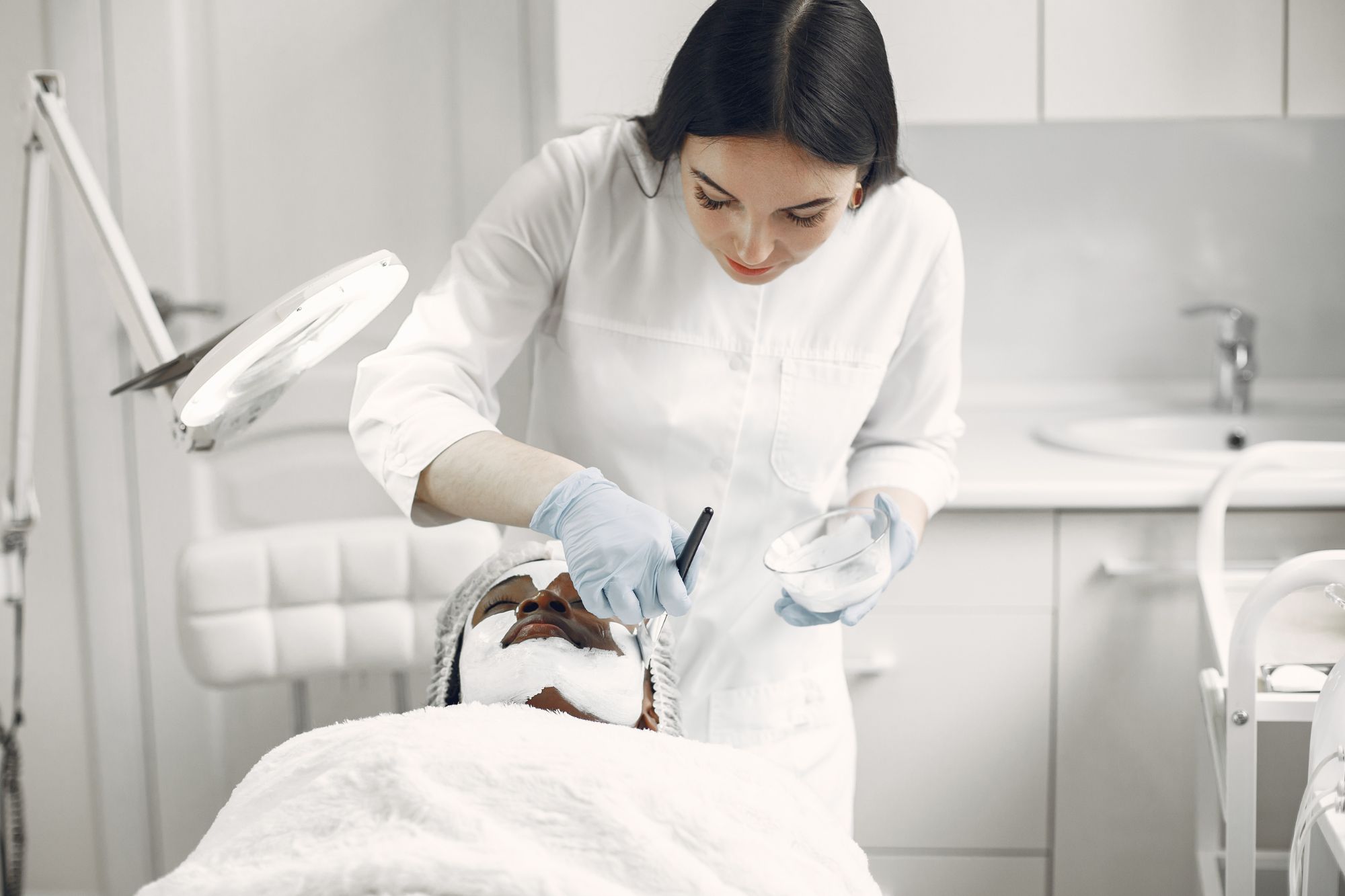
1. Medical-Grade Facials (Clinical Skin Treatments): These treatments deeply cleanse pores, reduce inflammation, and support skin healing.
2. Chemical Peels (Skin Renewal Therapy)
Chemical peels help:
- Remove dead skin cells
- Reduce clogged pores
- Improve acne scars
Visible improvements are usually seen after 3 to 6 sessions.
3. Laser and Light Therapy: Advanced laser technology targets acne-causing bacteria and reduces oil gland activity. Studies show up to a 60% reduction in acne after a full treatment course.
4. Prescription-Based Treatments: In certain situations, topical or oral medication may be recommended under professional supervision.
5. Personalised Combination Therapy
At MedicDeno, treatments are combined based on:
- Skin condition
- Hormonal influence
- Acne severity
- Lifestyle factors
How Long Does Hormonal Acne Treatment Take?
Hormonal acne requires patience and consistent care. Unlike regular acne, hormonal acne develops slowly, so visible improvements often take time and cannot be rushed. Understanding the treatment timeline can help manage expectations and encourage commitment to a proper skincare routine and professional care plan.
Typical Hormonal Acne Treatment Timeline
- Weeks 1–4: During the first few weeks, you may start noticing a reduction in inflammation and fewer new breakouts. While the skin may still have active acne, the overall irritation and redness begin to calm down.
- Weeks 6–8: By this stage, skin texture begins to improve. Pores may appear less clogged, and previous breakouts start healing. Many patients also notice that their skin feels smoother and less sensitive.
- 3–6 Months: At this point, significant improvements in acne control are usually visible. Breakouts occur less frequently, inflammation is substantially reduced, and the likelihood of recurrence decreases. Scarring and dark spots begin to fade with ongoing treatment.
- 6–12 Months: With consistent care and follow-up, long-term skin balance is achieved, and the risk of future flare-ups is minimised. Professional treatments at this stage focus on preventing scarring, evening skin tone, and maintaining overall skin health.
Consistency is key throughout this process. Skipping treatments, frequently changing routines, or using unsuitable products can slow progress and make it harder to achieve long-lasting results. Committing to a personalised treatment plan under professional guidance ensures the best outcomes for hormonal acne management.
Frequently Asked Questions (FAQs)
1. Can hormonal acne go away on its own?
Mild cases may improve, but most require targeted treatment to prevent recurrence.
2. Is hormonal acne only for women?
No. Men can also develop hormonal acne, especially during stress or testosterone fluctuations.
3. Does diet really affect hormonal acne?
Yes. Diet influences insulin and hormone activity, which, in turn, affects acne severity.
4. Are extractions safe for hormonal acne?
When performed by professionals, extractions help prevent infection and scarring.
5. Can hormonal acne cause permanent scars?
Yes. Deep cystic acne increases the risk of scarring if untreated.
6. Is long-term treatment necessary?
Maintenance care is important to prevent future flare-ups.
7. When should I see a skin professional?
If acne lasts more than 3 months, causes pain, or leaves marks, professional care is recommended.
Why Choose MedicDeno’s Hormonal Acne Treatment?
MedicDeno offers a science-based, personalised approach to hormonal acne.
What Sets MedicDeno Apart:
- Detailed skin and acne analysis
- Medical-grade and aesthetic treatments under one roof
- Advanced technology backed by proven results
- Customised treatment plans
- Professional therapists with clinical experience
- Focus on long-term skin health, not quick fixes
Every treatment plan is designed to restore skin balance, reduce inflammation, and prevent future breakouts.
Hormonal acne is not caused by poor hygiene or lack of skincare effort, and it’s a multifaceted condition shaped by both internal hormonal changes and external lifestyle factors. Identifying the underlying cause is key to achieving effective treatment. With the right combination of professional care, consistent routines, and expert guidance, hormonal acne can be controlled, improved, and prevented from recurring.
If you are struggling with recurring breakouts, painful cystic acne, or sudden adult acne, MedicDeno is here to help. Book consultation today and start your journey toward clearer, healthier skin and renewed confidence with MedicDeno’s hormonal acne treatment solutions.