Best Medical & Aesthetic Acne Scar Treatment
Acne scars are one of the most common long-term skin concerns worldwide. According to dermatology studies, up to 95% of people with moderate to severe acne develop some form of scarring. Unlike acne breakouts, scars do not fade easily on their own. They form when inflammation damages deeper layers of the skin, leading to uneven texture, depressions, or raised marks.
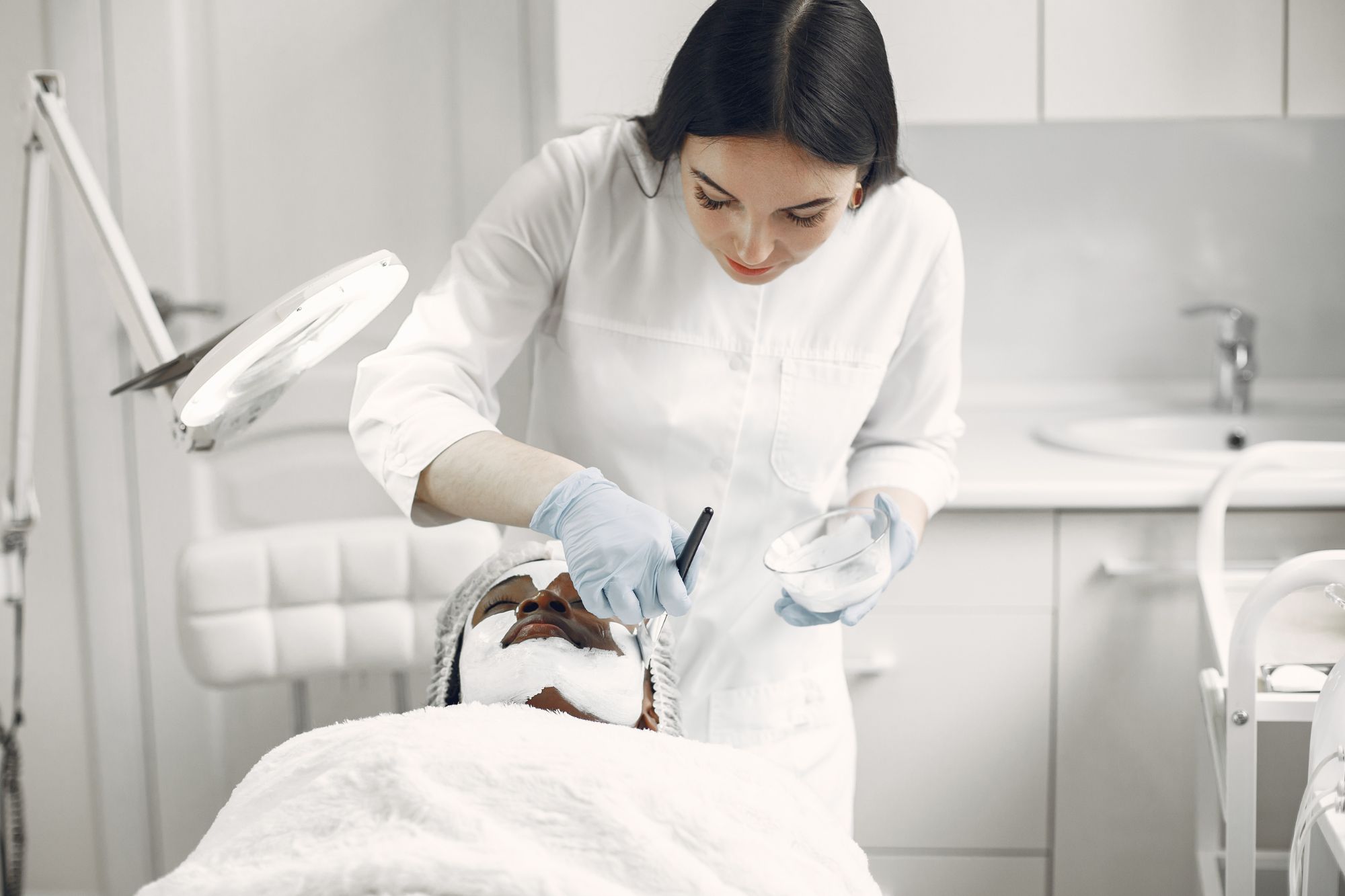
At MedicDeno, a leading skin solutions centre in Malaysia, our specialists approach acne scar treatments both medically and aesthetically. Instead of relying on surface-level solutions, they design treatments to repair the skin’s structure, stimulate collagen production, and restore smoother skin over time. Therefore, choosing the right treatment based on scar type is essential for visible and lasting results.
What Causes Acne Scars?
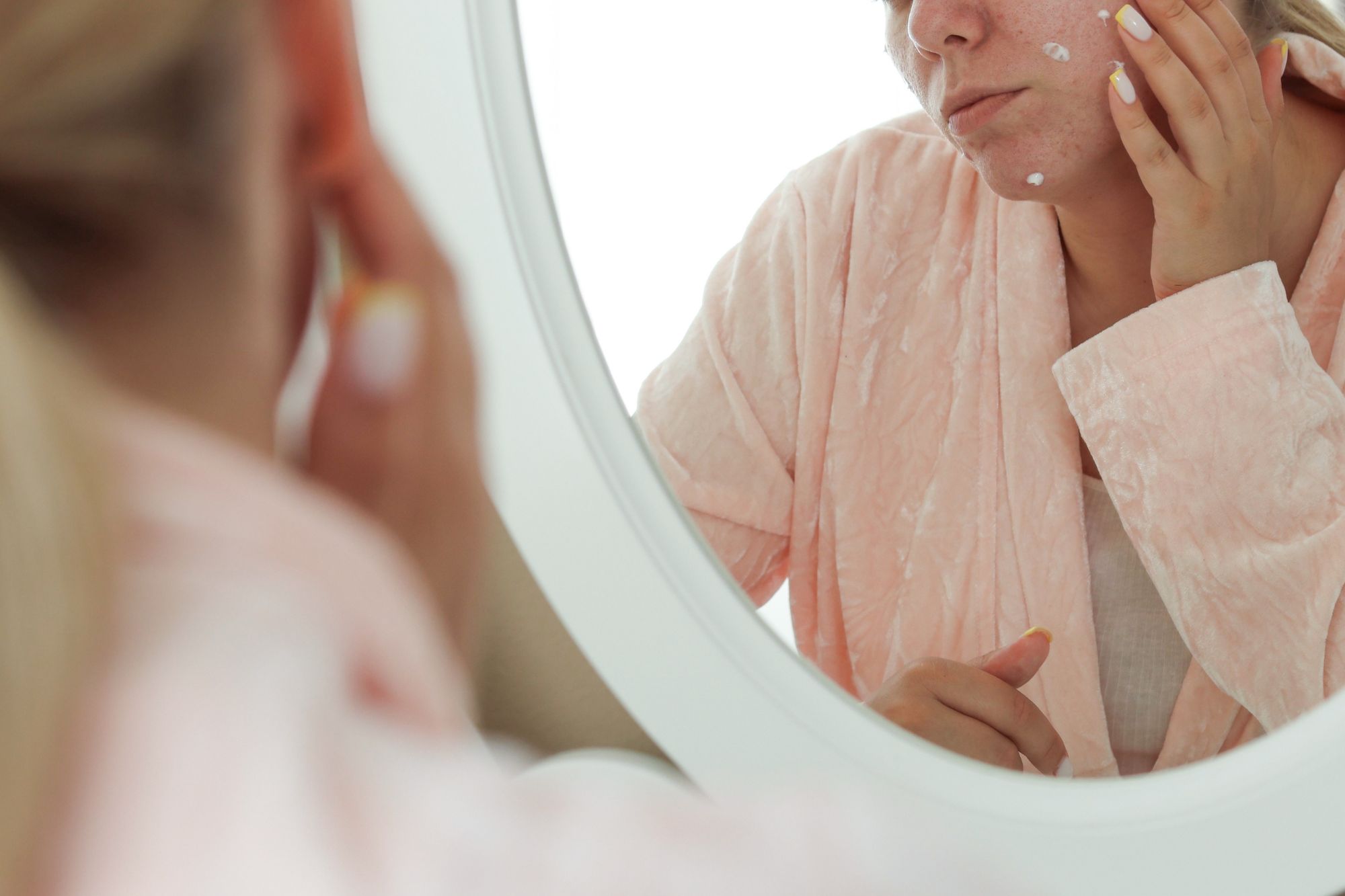
Acne scars develop when inflammation from acne penetrates deep into the skin layers. This usually happens in more severe forms of acne, such as cysts or nodules, where the skin tissue is damaged beyond the surface. During the healing process, the body attempts to repair the affected area by producing collagen. However, when collagen production becomes uneven or disrupted, the skin does not heal smoothly. As a result, depressions, uneven texture, or raised scars can form on the skin surface.
Key causes of acne scars include:
- Intense inflammatory acne, including cystic and nodular breakouts
- Delayed acne treatment, allowing inflammation to persist
- Picking or squeezing pimples damages the surrounding tissue
- Genetic factors affecting collagen response
- Improper skincare during breakouts
As a result, the skin heals unevenly. Either too little collagen is produced, creating depressions, or too much collagen forms, leading to raised scars. Therefore, early acne control and professional scar treatment play an important role in prevention and correction.
Common Acne Scar Types and Ways to Recognise Them
Not all acne scars appear the same, as they can vary in depth, shape, and texture depending on how the skin heals after acne. Some scars are shallow, while others extend deeper into the skin layers, making them more challenging to treat. Because of these differences, identifying the correct type of acne scar is an important first step. A proper assessment enables skin professionals to select the most effective treatment approach, resulting in better outcomes and a more targeted treatment plan.
1. Ice Pick Scars: Ice pick scars are deep, narrow indentations that appear as if a sharp object has pierced the skin. They extend deep into the skin, making them more difficult to treat than other scar types. These scars are usually caused by severe inflammatory acne that damages skin tissue from within. Because of their depth and narrow openings, ice-pick scars often require targeted medical treatment rather than surface-level solutions.
2. Boxcar Scars: Boxcar scars are broader depressions with well-defined edges, giving the skin a pitted appearance. They commonly appear on the cheeks and temples, where acne inflammation tends to be more severe. These scars form when collagen is lost during the healing process, leaving behind sunken areas. Boxcar scars can vary in depth and may become more noticeable under certain lighting conditions.
3. Rolling Scars: Rolling scars create an uneven, wave-like texture on the skin surface. They occur when fibrous bands form beneath the skin and pull the surface downward, hindering smooth healing. This type of scarring often gives the skin a rough or undulating appearance rather than distinct pits. Rolling scars usually respond well to treatments that release these underlying bands and stimulate collagen production.
4. Hypertrophic Scars: Hypertrophic scars are raised, thickened areas of tissue that form when excessive collagen is produced during the healing process. Unlike other acne scars, they sit above the skin surface rather than creating depressions. These scars typically remain within the original acne area and may feel firm or uneven to the touch. They are more common on the jawline, chest, and back.
5. Post-Inflammatory Hyperpigmentation: Post-inflammatory hyperpigmentation is not a true acne scar but is often mistaken for one. It appears as dark marks or discolouration left behind after acne heals. These marks are caused by excess melanin production triggered by inflammation. While they usually fade over time, the process can take several months without treatment. Compared to structural scars, pigmentation marks respond more quickly to brightening and skin-renewal treatments.
Which Acne Scar Treatment Works Best for Each Scar Type?
Different types of acne scars do not respond the same way to treatment. Each scar has its own depth, structure, and cause, which affects how the skin heals. Therefore, a one-size-fits-all solution is often ineffective. A personalised treatment approach allows each scar type to be treated with the most suitable method, leading to better, more visible results over time.
- Ice pick scars: narrow, deep scars that penetrate the deeper layers of the skin. Because of their depth, they respond best to targeted treatments such as chemical reconstruction techniques, laser resurfacing, and advanced collagen-stimulation therapies that work beneath the skin.
- Boxcar scars: wider, more defined depressions with sharp edges. These scars tend to improve with treatments that resurface the skin and stimulate collagen, including laser therapy, microneedling, and specialised resurfacing procedures that help smooth uneven texture.
- Rolling scars: create a wave-like appearance on the skin due to fibrous bands pulling the skin downward. These scars often show strong improvement with subcision, which releases the tethered tissue, combined with collagen-based treatments to support smoother skin healing.
- Hypertrophic scars: appear raised and thick due to excess collagen production during the healing process. These scars require scar-modulating therapies that help soften the tissue, reduce thickness, and gradually improve skin texture.
- Pigmentation marks: not true scars, are common after acne inflammation. They respond well to treatments that target uneven skin tone, such as laser toning, chemical peels, and brightening treatments that help restore a clearer complexion.
At MedicDeno, treatments are often combined to address multiple scar types simultaneously. This comprehensive approach allows for more balanced skin improvement, enhancing overall texture, tone, and smoothness more effectively than treating each concern separately.
Best Medical Acne Scar Treatments by Dermatologists
Medical acne scar treatments are designed to repair and restore the skin at a deeper structural level rather than just improving the surface appearance. These treatments target the underlying causes of scarring, such as collagen loss, fibrous tissue, and uneven skin healing. Because they involve advanced techniques and medical-grade technology, they are usually carried out under the supervision of trained skin professionals. This allows each treatment to be carried out safely and effectively, tailored to the individual’s skin condition and scar severity.
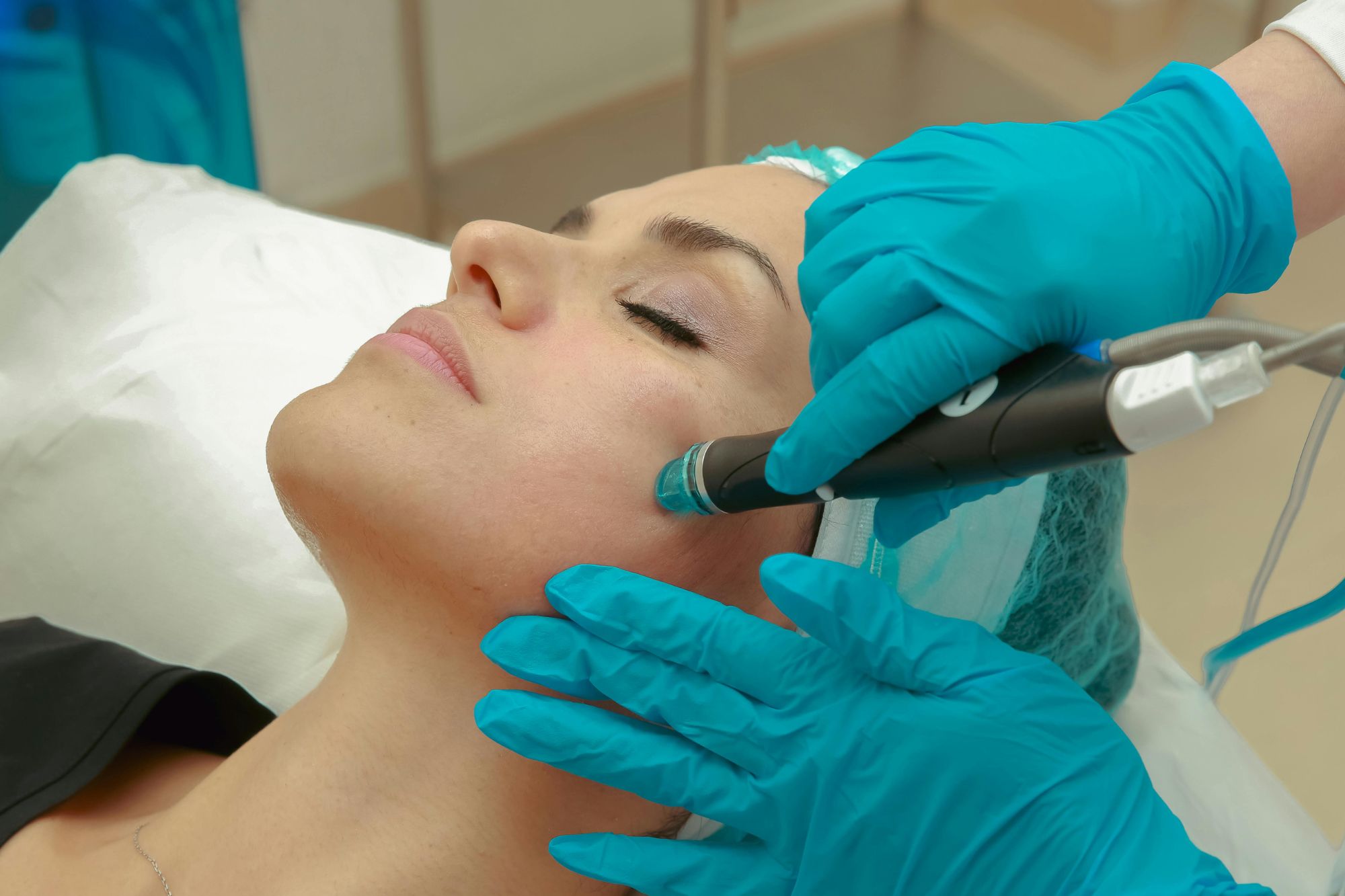
1. Laser Resurfacing Treatment: Laser technology delivers controlled energy to the skin to stimulate collagen production. Clinical studies show up to 60% improvement in acne scars after multiple sessions, depending on severity.
Benefits include:
- Improved skin texture
- Reduced scar depth
- Faster collagen regeneration
2. Subcision Treatment: Subcision is a minor medical procedure that releases fibrous bands beneath rolling scars. Once released, the skin surface becomes smoother over time. Studies show that subcision can improve rolling scars by 50% or more when combined with other treatments.
3. Chemical Reconstruction of Skin Scars: This technique targets deep ice pick scars using controlled chemical agents. It promotes new skin formation from within the scar.
4. Injectable Collagen Stimulators: These injections stimulate the body’s natural collagen production. Results appear gradually over weeks and can last up to 12–18 months.
Best Aesthetic Acne Scar Treatments in Clinics
Aesthetic treatments are designed to enhance skin texture, improve skin tone, and refine overall appearance without significantly disrupting daily activities. These treatments focus on gradual skin renewal and collagen stimulation, helping the skin look smoother and more even over time. Because they are generally less invasive, most aesthetic treatments involve minimal downtime, allowing individuals to return to their regular routines shortly after the procedure while still achieving visible skin improvement.
- Microneedling Therapy: Microneedling creates micro-injuries that trigger collagen production. According to studies, collagen levels can increase by up to 400% after a series of treatments.
- Radiofrequency Microneedling: This advanced method combines heat energy with microneedles, allowing deeper collagen stimulation. It is effective for moderate acne scars and uneven skin texture.
- Chemical Peels: Chemical peels remove damaged surface layers and improve skin renewal. While mild scars respond well, deeper scars require combination treatments.
- Laser Skin Rejuvenation: Non-ablative lasers help improve pigmentation and mild scars with minimal downtime.
How to Choose the Suitable Acne Scar Treatment?
Choosing the most suitable acne scar treatment requires careful evaluation of several important factors. Since every individual’s skin condition and scarring pattern are different, the treatment approach should never be based on guesswork. Reviewing these considerations ensures the chosen treatment is both safe and effective, delivering realistic and lasting results.
Consider the following key aspects:
- Type and depth of acne scars: as deeper or more complex scars often require medical-grade or combination treatments
- Skin sensitivity and skin tone: which influence how the skin responds to certain procedures and energy-based devices
- Downtime tolerance: as some treatments require recovery time, while others allow a quicker return to daily activities
- Budget and number of sessions needed: since acne scar improvement usually involves a series of treatments rather than a single session
A professional skin consultation is essential before starting any acne scar treatment. At MedicDeno, detailed skin analysis is performed to assess skin condition and the severity of scarring. This allows treatment plans to be carefully tailored to prioritise safety, effectiveness, and realistic expectations, ensuring the best possible outcome for each individual.
Who Is Not Suitable for Medical & Aesthetic Acne Scar Treatment?
Although acne scar treatments are generally considered safe when performed by trained professionals, they may not be suitable for everyone. Some skin conditions and health factors may raise the risk of side effects or affect how well the skin heals after treatment. For this reason, it is important to determine suitability before starting any medical or aesthetic procedure.
You may need to delay or avoid acne scar treatment if you:
- Have active skin infections, ongoing inflammation, or severe eczema: as treatment may worsen irritation or slow healing
- Are pregnant or breastfeeding: since some procedures and technologies may not be recommended during this period
- Have uncontrolled medical conditions: which can interfere with the body’s natural healing process
- Are prone to abnormal scar formation: such as keloid or excessive scarring, which may increase treatment risks
Therefore, a medical assessment is always recommended before starting any acne scar treatment. A professional evaluation helps ensure that the procedure is safe, appropriate, and tailored to your skin condition, reducing potential risks while improving treatment outcomes.
Acne Scar Treatment Price in Malaysia
Acne scar treatment costs can vary significantly depending on the chosen treatment, the severity of the scars, and the individual’s skin condition. Because acne scars differ in depth, texture, and location, the most suitable treatment may require specialised techniques or a combination of procedures, which can influence pricing.
On average:
- Microneedling treatments: generally range from RM600 to RM1,500 per session. This treatment works by stimulating collagen production within the skin, gradually improving skin texture over time.
- Laser acne scar treatments: typically range from RM800 to RM3,000 per session, depending on the laser type, coverage area, and intensity required for optimal results.
- Advanced combination therapies: which may include microneedling, laser resurfacing, and collagen-stimulation treatments, often require multiple sessions for the best, most noticeable results.
Most individuals require 3 to 6 treatment sessions to achieve significant improvement in skin texture, scar depth, and overall appearance. Because achieving smoother, healthier skin takes time and consistency, acne scar treatment should be viewed as a long-term investment in skin health, rather than a single, quick-fix procedure. Proper planning and commitment ensure that results are both effective and lasting.
Prevention Tips: Avoiding Future Scars
Preventing acne scars is always easier and more effective than treating them after they have formed. Once scarring develops, treatment often requires multiple sessions and a longer recovery process. Therefore, taking early action to control acne is key to protecting the skin and maintaining a smoother texture over time.
Effective prevention tips include:
- Treat acne early and consistently: as reducing inflammation in the early stages helps minimise damage to deeper skin layers
- Avoid squeezing or picking pimples: as this can increase inflammation and raise the risk of permanent scarring.
- Use sunscreen daily: since sun exposure can darken acne marks and slow the skin’s natural healing process
- Maintain a simple, non-irritating skincare routine: as harsh products may disrupt the skin barrier and trigger further breakouts
- Seek professional acne management early: especially for persistent or severe acne, to prevent long-term skin damage
According to dermatologists, early and proper acne treatment can reduce the risk of acne scarring by up to 80%. This highlights the importance of timely care in preserving healthy, clearer-looking skin.
Frequently Asked Questions (FAQs)
1. Can acne scars be removed completely?
Most acne scars can be significantly improved, but complete removal depends on scar type and skin condition.
2. How long does acne scar treatment take?
Visible improvement usually starts after 2–3 sessions, with full results seen over several months.
3. Is acne scar treatment painful?
Most treatments involve mild discomfort, which is well-managed with topical numbing agents.
4. Is downtime required?
Downtime varies. Some treatments require no downtime, while others may need a few days of recovery.
5. Are results permanent?
Results tend to be long-lasting when supported by proper skincare and consistent sun protection.
6. Can all skin types undergo acne scar treatment?
Yes, but treatment methods should be adjusted based on skin tone and sensitivity.
7. Can acne scars worsen without treatment?
Scars do not usually worsen, but skin texture may remain uneven without intervention.
Why Choose MedicDeno?
MedicDeno is one of Malaysia’s leading skin solutions centres, specialising in comprehensive acne scar treatments that are tailored to each individual’s unique skin needs. Every procedure is performed under the guidance of experienced skin professionals who combine medical expertise with advanced aesthetic techniques to achieve effective, lasting results.
What sets MedicDeno apart:
- Personalised treatment plans based on skin analysis
- Medical-grade and aesthetic solutions under one roof
- Advanced technology and proven protocols
- Focus on safety, comfort, and natural-looking results
Every acne scar treatment at MedicDeno is carefully planned to not only improve the appearance of scars but also restore overall skin health. By treating both the structural and visual effects of acne scarring, the centre helps patients regain confidence, feel more comfortable in their skin, and maintain long-term skin wellness.
Acne scars can affect confidence and skin quality for years if left untreated. However, with the right combination of medical and aesthetic acne scar treatments, smoother and healthier skin is achievable. Understanding scar types, choosing suitable treatments, and committing to a structured plan are key to long-term improvement. At MedicDeno, acne scar treatment is not a quick fix. Instead, it is a carefully guided journey toward stronger, clearer, and more radiant skin.
Ready to improve your acne scars and restore smoother skin? Book your consultation at MedicDeno today and discover a personalised acne scar treatment plan designed for real, visible results.