Acne Treatment Explained: Timeline, Results & Expectations
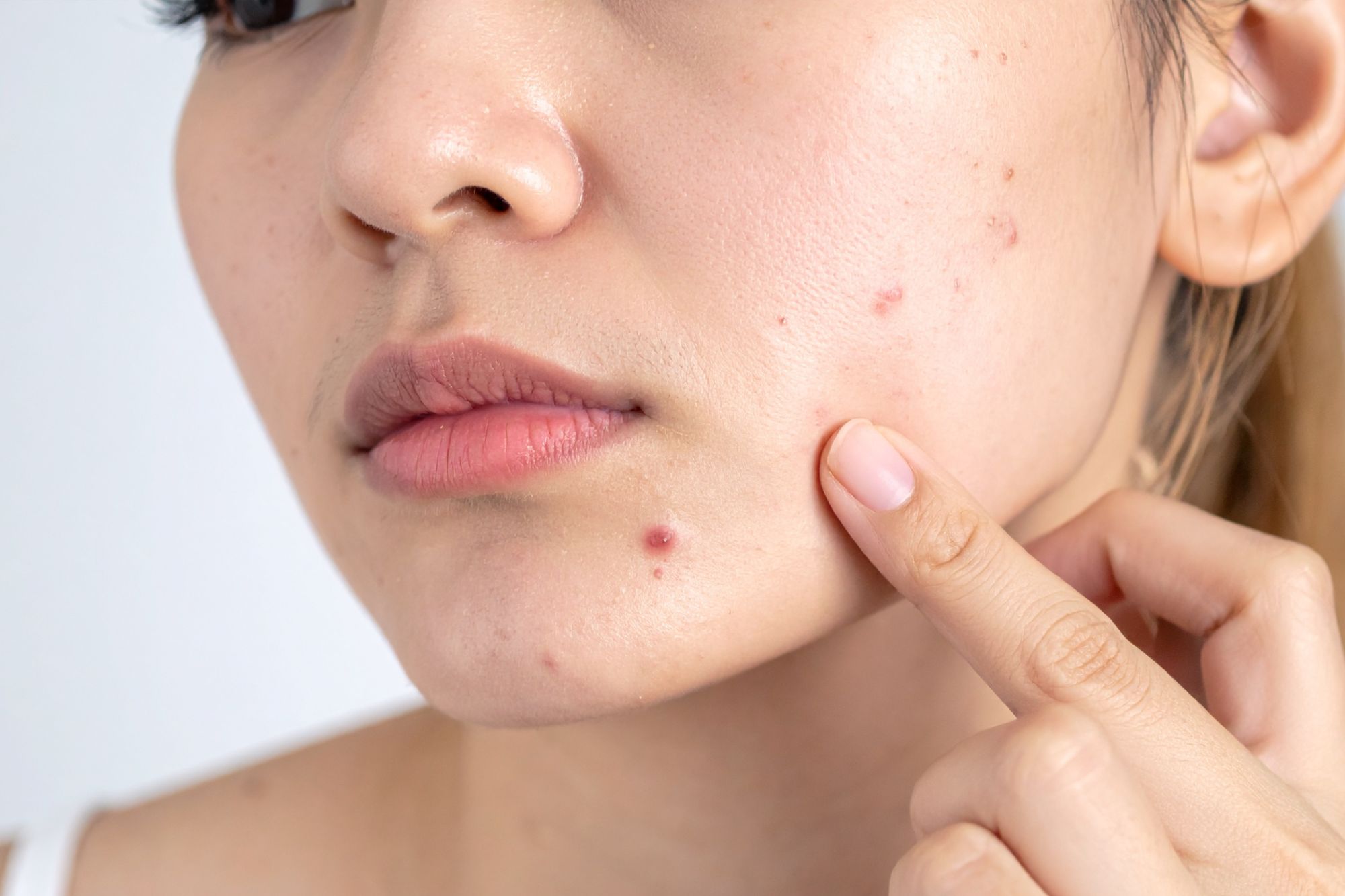
Acne is one of the most widespread skin concerns globally, affecting people across all age groups, genders, and lifestyles. Medical research estimates that over 650 million people globally experience acne, making it one of the most common dermatological concerns. Although acne is often linked to adolescence, adult acne is increasingly common, especially among individuals aged 25 to 45.
In Malaysia, acne is further influenced by environmental and lifestyle factors. High humidity, frequent sweating, air pollution, irregular sleep patterns, stress, and dietary habits all contribute to clogged pores and persistent breakouts. As a result, many individuals find that basic skincare products or home remedies are not enough to control acne effectively.
This is where professional acne treatment plays a critical role. Acne treatment is not about removing pimples overnight. Instead, it is a structured, science-based approach that works beneath the skin surface to correct imbalances, reduce inflammation, and prevent future breakouts.
In this comprehensive guide, MedicDeno explains acne treatment in detail. You will learn how acne treatments work, how long they take, what results to expect, and why patience is essential. Most importantly, this article helps you set realistic expectations so you can approach acne treatment with confidence and clarity.
Introduction to Acne Treatment
To understand how acne treatment works, it is important first to understand how acne develops. Acne is not the result of poor hygiene or unclean skin, as is commonly believed. Instead, it is a medical skin condition influenced by both internal factors, such as hormonal changes and genetic factors, and external factors, including skincare habits, environment, and lifestyle.
Acne develops when several processes occur simultaneously, creating the ideal conditions for breakouts. These underlying factors work together beneath the skin surface and must be addressed collectively for effective treatment. The key factors involved include:
1. Excess oil production
- Triggered by hormonal changes, stress, or other internal factors
- Overactive oil glands produce more sebum than necessary
- Overproduction of sebum can combine with dead skin cells, increasing the risk of clogged pores
2. Blocked pores
- Can become clogged as dead skin cells build up on the surface, trapping oil and impurities beneath the skin
- Pores fail to shed cells efficiently, leading to congestion
- Blocked pores create an environment where acne can easily develop
3. Bacterial growth
- Acne-causing bacteria (Cutibacterium acnes) thrive in clogged pores
- Bacteria feed on excess sebum and multiply rapidly
- Increased bacterial activity triggers irritation and redness
4. Inflammation within the skin layers
- The immune system responds to bacterial growth and clogged pores
- Leads to redness, swelling, and sometimes painful pimples or cysts
- Chronic inflammation can contribute to acne scarring if untreated
Professional acne treatment is designed to target all four causes at once. This is why it delivers better, longer-lasting results than over-the-counter solutions that usually focus on only one issue.
At MedicDeno, acne treatment begins with a detailed skin assessment. This assessment evaluates acne severity, acne type, skin sensitivity, and lifestyle factors. Based on this information, a personalised treatment plan is created. As a result, treatment is more precise, safer, and more effective.
Acne treatment should always be viewed as a process, not a single session. Skin needs time to heal, rebalance, and rebuild its protective barrier. Therefore, consistent treatment and proper aftercare are essential for success.
Types of Acne Treatment Available at Professional Skin Clinics
There are many acne treatment options available today, ranging from clinical procedures to medical-grade skincare solutions. Each treatment works differently, focusing on specific acne issues such as overactive oil glands, blocked pores, bacterial activity, or skin inflammation. Because acne can vary in type and severity from person to person, a single treatment approach is often not enough. In most cases, combining multiple treatment methods allows different acne causes to be addressed simultaneously, leading to more effective, balanced, and longer-lasting results.
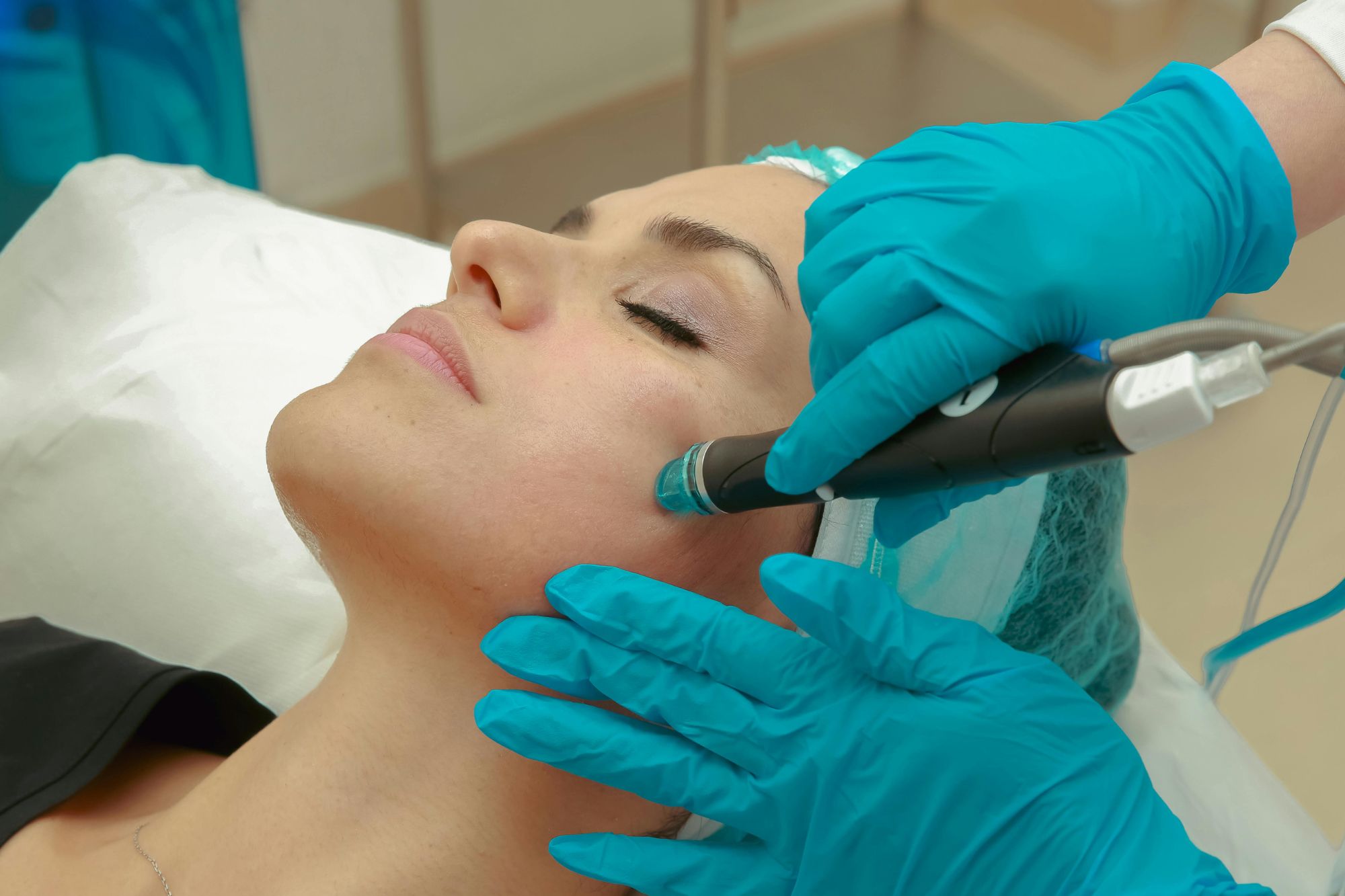
1. Clinical Acne Facials: Acne facials are professional treatments that deeply cleanse pores, reduce surface congestion, and calm inflammation. They may include gentle exfoliation, extractions, and medical-grade serums to promote healing and prevent future breakouts.
These facials focus on:
Removing excess oil and impurities
- Softening blackheads and whiteheads
- Calming redness and irritation
- Supporting skin recovery
Clinical acne facials are suitable for mild acne and maintenance care. When performed regularly, they help prevent future breakouts and improve overall skin clarity.
2. Chemical Peels for Acne Management: Chemical peels use controlled exfoliating acids to remove dead skin cells and clear blocked pores. Common acids used in acne peels include salicylic acid, glycolic acid, and lactic acid. Clinical data show that salicylic acid penetrates oil-filled pores, making it highly effective for treating acne-prone skin. Studies indicate that consistent chemical peel treatments can reduce acne lesions by 40% to 60% over 8 to 12 weeks.
3. Laser and Light-Based Acne Treatments: Laser and light therapies are advanced acne treatments that target acne-causing bacteria and overactive oil glands. These treatments also help reduce inflammation and redness.
Light-based acne treatments are invaluable for:
- Inflammatory acne
- Persistent breakouts
- Acne that does not respond well to topical products
Over time, these treatments help stabilise oil production and reduce acne recurrence.
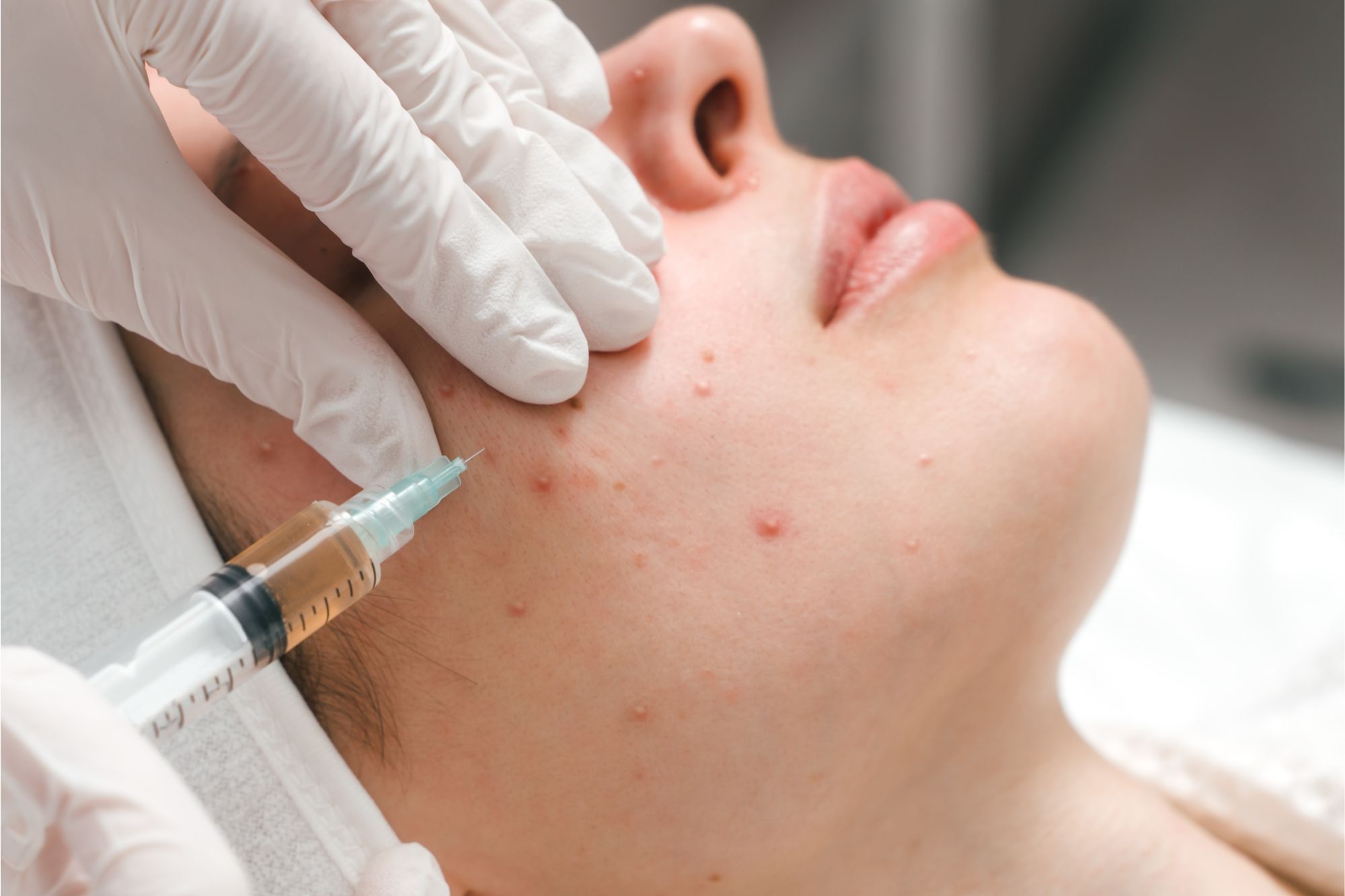
4. Medical-Grade Topical Treatments: Prescription-strength topical products target the root causes of acne, such as excess oil, bacteria, and inflammation. Customised to each patient’s skin, they help clear existing breakouts and prevent new ones, supporting long-term skin health.
These products may contain:
- Retinoids to normalise skin cell turnover
- Benzoyl peroxide to reduce bacterial growth
- Anti-inflammatory agents to calm redness
When used correctly, medical-grade skincare significantly improves acne control and skin texture.
5. Combination Acne Treatment Programs: For moderate to severe acne, a combination approach is recommended. This may include in-clinic treatments, topical skincare, and lifestyle adjustments. Combination therapy is supported by dermatological research as one of the most effective approaches for achieving long-term acne control.
Acne Treatment Timeline: What to Expect at Each Stage?
One of the most frequently asked questions is how long it will take to see results from acne treatment. This concern is understandable, as everyone wants to know when they can expect clearer, healthier skin. Although the precise duration of acne treatment can differ based on factors such as acne severity, skin type, and the treatment approach, most professional acne treatments follow a generally predictable pattern. Understanding this timeline helps patients set realistic expectations and stay committed to the process, which is essential for achieving long-term and sustainable results.
1. Weeks 1 to 2: Adjustment Phase: During the first two weeks, the skin begins adjusting to active ingredients and treatment protocols.
You may notice:
- Mild dryness or tightness
- Temporary redness
- Slight increase in breakouts
This stage is known as the adjustment or purging phase. It is a normal response as clogged pores begin clearing from beneath the skin.
2. Weeks 3 to 6: Early Improvement Phase: At this stage, many patients notice visible improvements.
These include:
- Fewer new breakouts
- Reduced inflammation
- Smoother skin texture
Clinical studies show that 30% to 50% improvement often occurs within the first six weeks when treatments are followed consistently.
3. Weeks 7 to 12: Stabilisation Phase:
During this phase:
- Breakouts become less frequent
- Acne heals faster
- Skin tone appears more even
This is when patients start feeling more confident about their skin.
4. 3 to 6 Months: Long-Term Control Phase
With continued treatment:
- Acne becomes well-controlled
- Skin barrier strengthens
- Post-acne marks gradually fade
Moderate to severe acne usually requires 3 to 6 months of consistent treatment for stable results.
Why Acne Treatments Take Time to Work?
Many people feel frustrated or discouraged when their acne does not clear as quickly as they hope. It is common to expect immediate results, especially with so many over-the-counter products promising fast fixes. However, there are clear scientific reasons why effective acne treatment requires time and patience. Understanding these reasons can help patients stay committed and achieve long-lasting results.
First, acne develops deep within the skin. A single clogged pore can take 6 to 8 weeks to develop into a visible pimple. This means that even when treatment begins, some breakouts may still appear as the skin continues to clear existing congestion beneath the surface.
Second, skin renewal is a gradual process. The average skin cell turnover cycle is approximately 28 days, during which old cells are shed, and new ones replace them. As we age, this process slows, making it take even longer for the skin to heal and recover fully. This gradual renewal is why patients may not see immediate improvements in texture or tone during the early stages of treatment.
Third, professional acne treatment is not just about clearing current breakouts—it also aims to prevent future acne. Treatment protocols target the root causes of acne, including excess oil production, blocked pores, bacterial growth, and skin inflammation. This preventive approach requires consistency and patience, as it works beneath the surface to create long-term improvements rather than just temporary results.
Rushing treatments, skipping sessions, or frequently changing products can interfere with this natural healing process. Inconsistent care may slow progress, trigger new breakouts, or even worsen existing acne. By following a structured, professional acne treatment plan, patients give their skin the best chance to recover and maintain healthy, clear skin over time.
Acne Treatment Results: Short-Term, Medium-Term, and Long-Term Outcomes
The results of acne treatment do not happen overnight; instead, they develop gradually as the skin responds to consistent care. Over time, patients begin to notice a reduction in active breakouts, improved skin texture, and a more even skin tone. With continued treatment and proper maintenance, these improvements accumulate, leading to clearer, healthier, and more resilient skin in the long term.
1. Short-Term Results (First Month):
Within the first four weeks, patients often experience:
- Reduced oiliness
- Less painful inflammation
- Improved skin cleanliness
2. Medium-Term Results (2 to 3 Months):
At this stage, noticeable improvements include:
- Fewer active breakouts
- Reduced redness
- Smoother skin texture
Research shows that consistent professional acne treatment improves overall acne severity by up to 60% within 12 weeks.
3. Long-Term Results (4 to 6 Months):
With continued care:
- Acne remains under control
- Skin tone becomes more even
- Acne scars are less visible
Long-term success depends heavily on maintenance and proper skincare habits.
Factors Affecting Acne Treatment Results
Several factors can affect both the speed and effectiveness of acne treatment. These factors determine how quickly improvements appear, how well the skin responds to treatment, and how long the results last. Understanding these influences can help patients set realistic expectations, stay patient throughout the process, and make well-informed choices when following their personalised acne treatment plan. Factors such as acne severity, skin type, hormonal balance, lifestyle habits, and adherence to treatment protocols all play a critical role in shaping the overall outcome of acne therapy.
- Acne Type and Severity: Mild acne responds faster than nodular or cystic acne, which requires longer treatment.
- Hormonal Influence: Hormonal fluctuations can prolong acne treatment timelines, especially in adult acne.
- Consistency and Compliance: Patients who follow treatment instructions closely achieve better results.
- Lifestyle Factors: Stress, poor sleep, smoking, and diet can slow acne recovery.
- Skincare and Product Choice: Using pore-clogging products can counteract the progress of treatment.
At MedicDeno, all of these factors are carefully evaluated and addressed through a fully personalised treatment plan tailored to each patient’s unique skin type, acne severity, lifestyle, and long-term goals. By taking the time to understand the underlying causes of an individual’s acne and considering factors such as hormonal influences, skin sensitivity, and previous treatment history, MedicDeno ensures that every treatment approach is both safe and highly effective. This personalised planning allows patients to follow a clear, structured path toward clearer, healthier skin, while also minimising the risk of side effects and optimising long-term results.
Acne Treatment Expectations: What Patients Should Understand?
Managing expectations is a crucial aspect of achieving a successful acne treatment journey. Understanding that results take time, that occasional breakouts may still occur, and that long-term consistency is required can help patients stay motivated and committed to their treatment plan. By setting realistic goals and having a clear understanding of what to expect at each stage, individuals are more likely to follow their regimen consistently, respond positively to professional guidance, and ultimately achieve clearer, healthier, and more resilient skin.
You should expect:
- Gradual improvement in skin clarity and texture as the treatment progresses
- Occasional breakouts or flare-ups during the early and middle stages of treatment
- Continuous progress and visible results with consistent adherence to the prescribed plan
You should not expect:
- Immediate or overnight clearance of acne
- Permanent, total elimination of breakouts without ongoing care
- Lasting results without proper maintenance, follow-up, and lifestyle support
Acne management is not a one-time solution—it is an ongoing process that requires continued care, monitoring, and adjustments to treatment as the skin changes over time. However, with professional guidance from experienced dermatologists and skin specialists, patients can achieve results that are not only effective but also sustainable in the long term. A structured, personalised approach ensures that breakouts are kept under control, skin health is continuously improved, and significantly lowers the chances of future flare-ups. Over time, this consistent care leads to clearer, healthier skin, and the positive results can be both physically and emotionally rewarding, boosting confidence and overall well-being.
Frequently Asked Questions (FAQs)
1. How soon will I see results from acne treatment?
Most patients notice improvement within 4 to 6 weeks, with optimal results in 3 to 6 months.
2. Can acne return after treatment?
Yes, acne can return without proper maintenance, which is why follow-up care is important.
3. Is acne treatment suitable for sensitive skin?
Yes, treatments are customised to suit sensitive skin types.
4. Will acne treatment thin my skin?
When supervised by a professional, acne treatments strengthen skin health rather than weaken it.
5. Can men undergo acne treatment?
Yes, acne treatment is effective for both men and women.
6. Does acne treatment help with scars?
Active acne treatment prevents new scars. Existing scars may require targeted treatments.
7. Can I continue my routine during treatment?
Yes, with proper skincare guidance, daily routines can continue normally.
About MedicDeno
MedicDeno is a leading skin solutions centre in Malaysia, offering comprehensive skincare treatments, from general facials to advanced skin rejuvenation. Every treatment is guided by professional expertise, safety standards, and proven clinical methods.
MedicDeno’s mission is to cultivate healthier skin while promoting a fresh, radiant glow. Each acne treatment plan is personalised to deliver real, long-term improvements rather than temporary results.
Acne treatment is a journey that requires understanding, patience, and consistency. Knowing the treatment timeline, expected results, and influencing factors helps patients stay motivated throughout the process. With professional guidance and a structured approach, acne can be effectively managed, skin health improved, and confidence restored.
If you are dealing with persistent acne and want a clear, personalised solution, MedicDeno is here to support you. Contact us today and take the first step toward clearer, healthier, and more confident skin. Your journey to better skin starts with expert care at MedicDeno.