Acne Treatment and Home Remedies
Acne is one of the most common skin concerns worldwide. In fact, studies show that over 85% of people aged 12 to 24 experience acne, and many adults continue to struggle with breakouts well into their 30s and 40s. Acne does not only affect appearance. It can also impact confidence, emotional health, and long-term skin condition.
Because of this, finding the right acne treatment and home remedies is essential. While some mild acne may improve with simple skincare habits, moderate to severe acne often needs professional attention. Therefore, understanding how acne forms, how to treat it, and how to prevent it becomes the first step toward clearer skin.
At MedicDeno, a leading skin solutions centre in Malaysia, acne treatment should be personalised, effective, and safe. This guide will walk you through everything you need to know—from acne types and causes to clinic treatments, home remedies, daily routines, and common mistakes to avoid.
Overview of Acne
Acne is a skin issue that occurs commonly when pores become blocked by excess oil, dead skin cells, and bacteria. These clogged pores prevent the skin from breathing properly, creating an environment where bacteria can thrive. As a result, the skin becomes inflamed, and acne lesions begin to form. Acne can appear as small bumps, red pimples, blackheads, whiteheads, or deeper, more painful cysts.
While acne is often associated with teenagers, it is not limited to a specific age group. In reality, acne affects people of all ages and skin types. The condition can be mild and occasional, or persistent and severe, and may require professional acne treatment to prevent long-term skin damage.
How Acne Forms?
Acne develops through a series of interconnected processes that take place beneath the skin’s surface. Understanding these steps helps explain why acne can be difficult to control without the right treatment approach.
- Excess oil production: The sebaceous glands naturally produce sebum to keep the skin moisturised and protected. However, hormonal changes, stress, and genetics can cause these glands to become overactive. When too much oil is produced, it increases the likelihood of clogged pores.
- Clogged pores: At the same time, dead skin cells may not shed properly from the skin’s surface. Instead, they mix with excess oil and accumulate inside hair follicles. This combination creates a blockage that traps oil and bacteria beneath the skin.
- Bacterial growth: Once a pore is clogged, bacteria begin to multiply in the trapped environment. This bacterial activity triggers the skin’s immune response, which leads to irritation and swelling around the affected area.
- Inflammation and breakouts: As the body reacts to the bacterial buildup, inflammation occurs. This process results in visible acne breakouts, such as red bumps, pus-filled pimples, or deep, painful lesions, which can take longer to heal.
Who Gets Acne?
Acne is most prevalent during adolescence, triggered by hormonal fluctuations during puberty. However, research shows that more than 40% of adults continue to experience acne, particularly women between the ages of 25 and 45. Hormonal imbalances, lifestyle habits, stress, and skincare routines can influence adult acne.
Acne can develop on multiple areas of the body, such as the face, chest, back, shoulders, and jawline. In adults, breakouts often occur around the lower face and jaw area. Regardless of age, early and appropriate acne treatment is important for reducing inflammation, preventing scarring, and maintaining overall skin health.
Different Faces of Acne
Not all acne looks or behaves the same. Each type of acne develops differently and responds to different treatments. Therefore, identifying the specific type of acne is crucial when choosing the right acne treatment and home remedies. Using the wrong approach may worsen breakouts or lead to long-term skin damage.
1. Blackheads: Blackheads are a type of non-inflammatory acne caused by open, clogged pores. They appear dark or black because the trapped oil and dead skin cells react with air through a process called oxidation. Contrary to popular belief, blackheads are not caused by dirt and cannot be removed by excessive washing. They most often form on the nose, forehead, and chin and usually require gentle exfoliation and proper pore care.
2. Whiteheads: Whiteheads are also non-inflammatory but differ from blackheads because the clogged pore remains closed under the skin’s surface. They appear as small, flesh-coloured or white bumps and are often difficult to extract without professional care. Whiteheads form when oil and dead skin cells are trapped beneath the skin, making them more resistant to surface treatments.
3. Papules: Papules are small, raised red bumps that feel tender to the touch. They form when clogged pores become inflamed due to bacterial activity. Unlike blackheads and whiteheads, papules do not contain visible pus. At this stage, acne has entered the inflammatory phase and requires calming treatments to reduce redness and prevent further progression.
4. Pustules: Pustules are inflamed acne lesions that contain pus. They appear as red bumps with white or yellow centres and are commonly recognised as typical pimples. Pustules indicate an active infection within the pore and should never be squeezed, as this increases the risk of scarring and pigmentation.
5. Nodules: Nodules are large, solid, and painful lumps that form deep beneath the skin’s surface. They develop when severe inflammation extends into the deeper layers of the skin. Nodules do not come to a head and can persist for weeks or months. Because of their depth and severity, nodules often require professional acne treatment to prevent permanent scarring.
6. Cystic Acne: Cystic acne is the most severe and challenging form of acne. It causes deep, painful cysts filled with fluid or pus and often affects larger areas of the skin. This type of acne has a high risk of permanent scarring if left untreated. Cystic acne typically does not respond well to home remedies and should be managed with professional treatment under expert supervision to achieve safe and lasting results.
What Happens If Acne Goes Untreated?
Many people believe acne will clear up on its own. However, when acne is left untreated, it can gradually worsen and cause long-term skin issues. Ongoing inflammation affects the deeper layers of the skin, making breakouts harder to control over time.
- Permanent acne scars: Around 30% of acne sufferers develop permanent scars, especially those with moderate to severe or cystic acne. These scars form when inflammation damages the skin’s collagen structure.
- Post-inflammatory hyperpigmentation: Dark marks often remain after acne heals and may last for months or even years. Repeated breakouts can cause uneven skin tone and a dull appearance.
- Chronic inflammation: Continuous breakouts weaken the skin barrier, making the skin more sensitive and slower to heal. This increases the risk of recurring acne.
- Emotional impact: Persistent acne is linked to anxiety, low self-esteem, and reduced confidence in social and professional situations.
Professional Acne Treatments That Actually Work
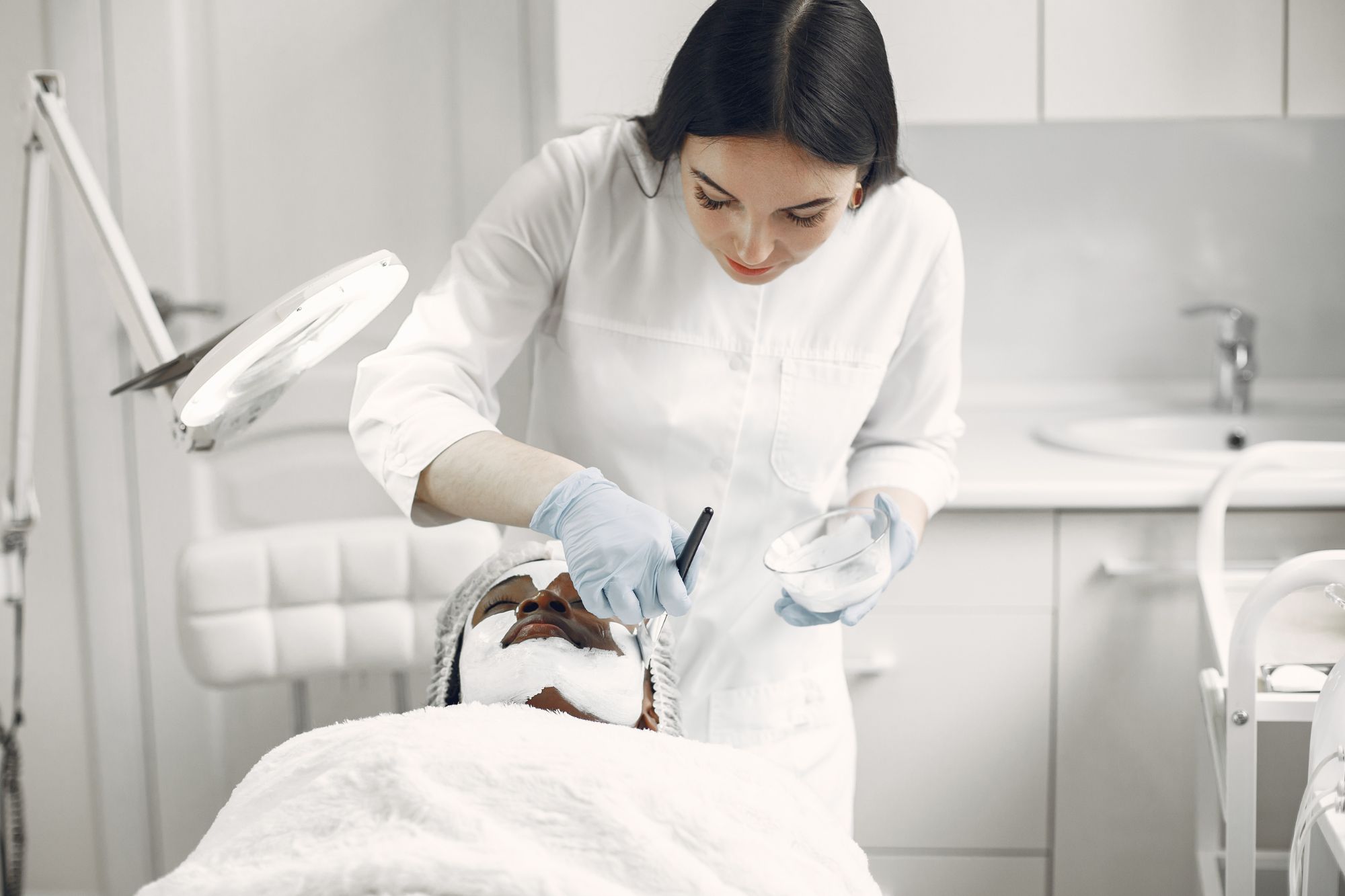
While home remedies may help with mild acne, professional treatments are often necessary for consistent, long-lasting results.
1. Medical-Grade Acne Facials: These facials focus on deep cleansing, gentle exfoliation, and oil control. They help reduce congestion and calm inflamed skin.
Best for: Mild to moderate acne
Frequency: Every 3 to 4 weeks
2. Chemical Peels: Chemical peels use safe acids such as salicylic acid or glycolic acid exfoliate the skin, unclog pores, and promote smoother, clearer skin.
Visible improvement: 30% to 60% after several sessions
Best for: Acne, oily skin, and acne marks
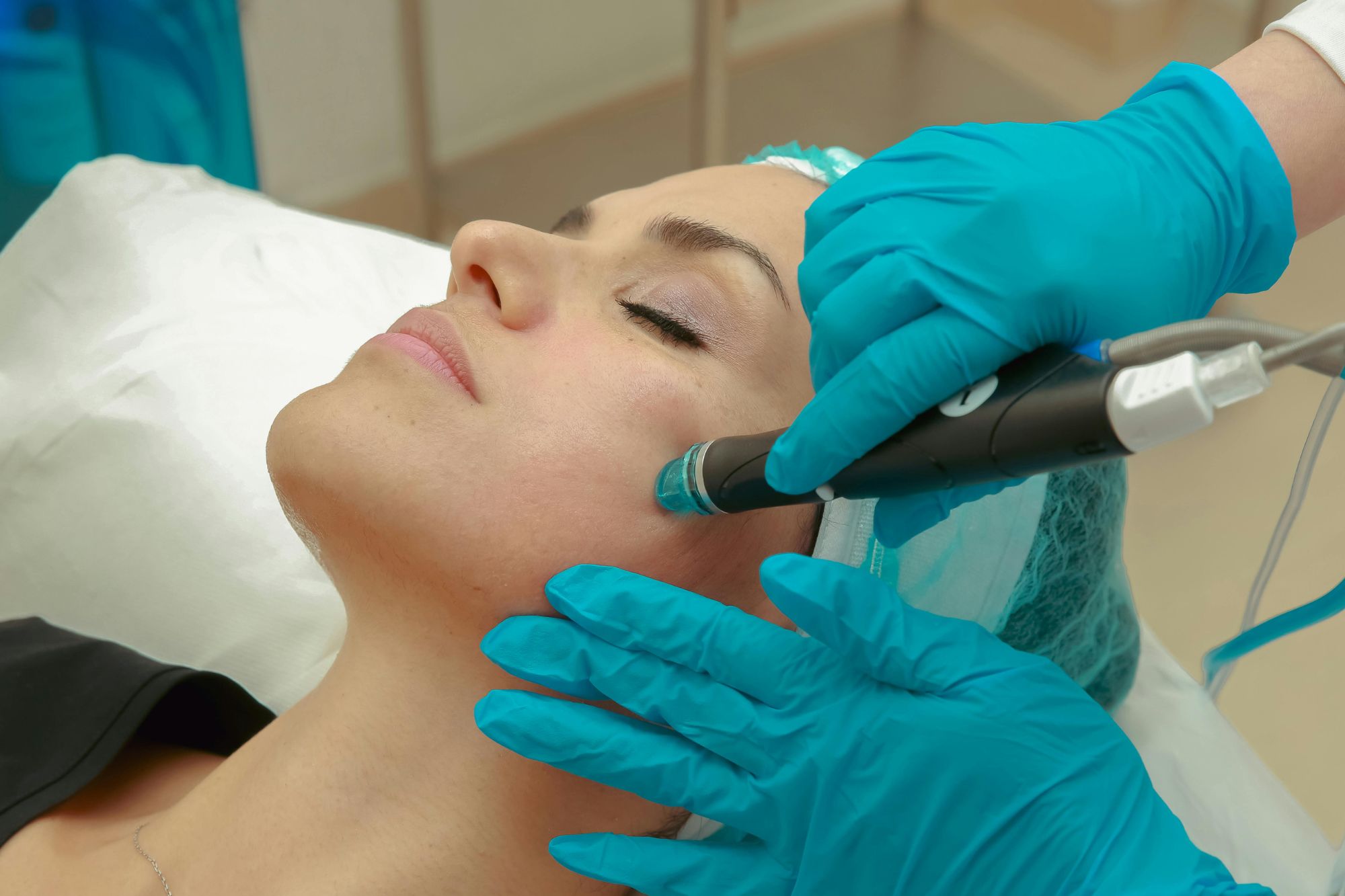
3. Laser and Light-Based Therapy: Laser treatments target acne-causing bacteria and help regulate oil production.
Effectiveness: Studies show up to 70% reduction in inflammatory acne
Best for: Moderate to severe acne
4. Extraction and Acne Control Programs: Professional extraction safely removes blackheads and whiteheads, preventing further inflammation.
5. Advanced Skin Rejuvenation Treatments: For acne scars and uneven texture, treatments that stimulate collagen can significantly improve skin smoothness over time.
Best Acne Home Remedies
Home remedies can support acne management when used correctly and consistently. They are most effective for mild acne or for maintenance after professional treatment. However, home remedies should never replace medical treatment for moderate-to-severe or cystic acne.
1. Gentle Cleansing:
- Cleanse your face twice daily, once in the morning and once at night
- Use a mild, non-foaming cleanser to remove excess oil and dirt without stripping the skin
- Over-washing the face or using harsh cleansers caneaken the skin barrier and increase oil production
2. Ice Compress:
- Applying ice for 1 to 2 minutes helps reduce redness and swelling
- It can temporarily calm inflamed pimples and soothe irritated skin
- Ice should be wrapped in a clean cloth to avoid direct skin contact
3. Aloe Vera Gel:
- Aloe vera has natural anti-inflammatory and soothing effects that help calm irritated skin
- It helps calm redness and supports skin healing
- Use pure, fragrance-free aloe vera gel for best results
4. Green Tea Extract:
- Green tea, which is rich in antioxidants, helps reduce oil production
- It also has anti-inflammatory benefits that may calm active breakouts
- Can be applied directly or found in skincare products designed for acne-prone skin
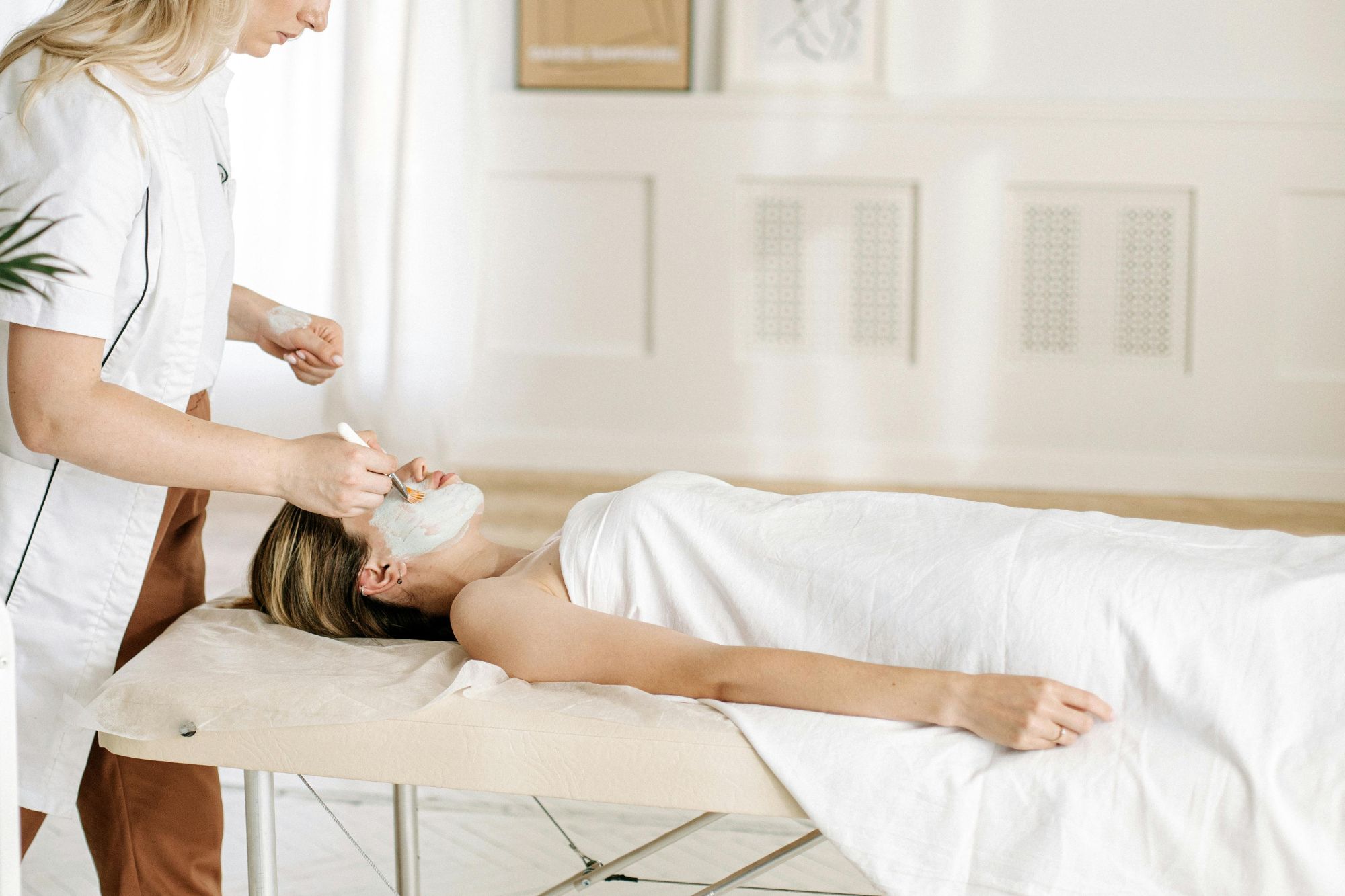
5. Clay Masks:
- Clay masks absorb excess oil and clear clogged pores, helping to prevent breakouts
- They can reduce shine and congestion when used once a week
- Overuse may cause dryness or irritation, especially for sensitive skin
Important note: Natural does not always mean safe; always use a patch test to ensure the product does not irritate your skin.
Acne Treatment at Clinics vs Home Remedies
Both clinic treatments and home remedies have their roles. However, they are not equal.
Clinic Treatments:
- Target the root cause of acne
- Deliver faster and longer-lasting results
- Reduce the risk of scarring
- Supervised by trained professionals
Home Remedies:
- Help maintain results
- Suitable for mild acne
- Lower cost but slower results
- Limited effectiveness for severe acne
In short, home remedies support, but professional treatments correct.
Step-by-Step Daily Skincare Routine to Prevent Acne
A consistent routine is essential for acne prevention.
Morning Routine:
- Gentle cleanser
- Alcohol-free toner
- Lightweight moisturiser
- Broad-spectrum sunscreen (SPF 30 or higher)
Evening Routine:
- Double cleanse if wearing makeup
- Acne-targeted serum
- Oil-free moisturiser
Weekly Care:
- Gentle exfoliation: 1 to 2 times per week
- Clay mask: once weekly
Consistency is more important than using many products.
Diet Tips for Acne Control
Your diet plays an important role in your skin’s health and the severity of acne. Certain foods may trigger breakouts, while others can help reduce inflammation and support clearer skin.
Foods That May Trigger Acne
- High-sugar foods: Foods and drinks with added sugar can spike blood sugar, which may trigger excess oil production and inflammation, leading to more breakouts.
- Refined carbohydrates: White bread, pastries, and other refined carbs have a similar effect to sugar, triggering hormonal responses that worsen acne.
- Excess dairy: Some studies suggest that high consumption of milk or cheese may contribute to acne, especially in individuals who are sensitive to dairy.
- Fried and processed foods: Diets high in unhealthy fats and additives can promote inflammation and aggravate existing acne.
Research shows that high-glycaemic diets can increase acne severity by up to 50%, making it important to monitor sugar and refined carb intake.
Foods That Support Clear Skin
- Fresh vegetables: Rich in vitamins and minerals, vegetables help nourish the skin and support its natural healing process.
- Fruits rich in antioxidants: Berries, citrus, and other antioxidant-rich fruits help reduce inflammation and protect the skin from damage.
- Omega-3 fatty acids: Found in fatty fish, flaxseeds, and walnuts, omega-3 fatty acids reduce inflammation and may help prevent acne flare-ups.
- Adequate water intake: Drinking at least 2 litres of water every day keeps the skin hydrated, flushes out toxins, and supports overall skin health.
Maintaining a nutrient-rich, balanced diet not only improves skin clarity but also supports overall health. Combining a healthy diet with proper skincare and treatment can make a noticeable difference in acne control.
Common Acne Treatment Mistakes to Avoid
Avoiding common acne treatment mistakes is just as important as choosing the right products or treatments. These habits can worsen breakouts, irritate the skin, and delay healing.
- Over-washing the face: Washing the face too frequently strips away natural oils, which may cause it to overcompensate by producing more oil and potentially aggravate acne. This can lead to increased breakouts and skin irritation.
- Picking or squeezing pimples: Touching or squeezing acne forces bacteria deeper into the skin. This increases inflammation and raises the risk of permanent scarring and dark marks.
- Using too many active ingredients: Applying multiple strong products simultaneously can overwhelm the skin. This often damages the skin barrier, leading to redness, dryness, and more breakouts.
- Skipping moisturiser: Many people avoid moisturiser because they fear it will make their skin oilier. However, without proper hydration, the skin produces more oil, which can worsen acne.
- Ignoring sunscreen: Sun exposure can darken acne marks and slow skin repair. Without sunscreen, acne-prone skin is more vulnerable to pigmentation and long-term damage.
These habits weaken the skin barrier, increase inflammation, and slow the skin’s natural healing process. Avoiding them helps improve acne treatment results and supports healthier skin over time.
Frequently Asked Questions (FAQs)
1. How long does acne treatment take to work?
Most acne treatments begin to show visible improvement within 4 to 8 weeks. However, results depend on the type and severity of acne, as well as the consistency with which the treatment plan is followed. Some cases may require a longer period for stable results.
2. Can acne be completely cured?
Acne cannot always be permanently cured, but it can be effectively controlled long-term. With proper treatment and ongoing skincare maintenance, many people experience clear skin with fewer breakouts.
3. Do home remedies work for cystic acne?
Home remedies are generally not effective for cystic acne. This severe form of acne develops deep under the skin and usually requires professional treatment to prevent pain, scarring, and long-term damage.
4. Is acne only caused by poor hygiene?
No. Acne is not caused by dirty skin. Hormonal changes, genetics, stress, and lifestyle habits play a much bigger role in acne development than hygiene alone.
5. Can stress cause acne?
Yes. Stress can trigger hormonal shifts that increase oil production and skin inflammation. As a result, breakouts may become more frequent or more severe during stressful periods.
6. Is sunscreen necessary for acne-prone skin?
Yes. Sunscreen is essential for acne-prone skin because it helps prevent dark marks, pigmentation, and skin damage. Using a lightweight, non-comedogenic sunscreen will not clog pores.
7. When should I see a skin specialist?
You should consider seeing a skin specialist if acne lasts more than three months, becomes painful, or starts leaving dark marks or scars. Early professional care can prevent long-term skin damage and improve results.
Why Choose MedicDeno?
MedicDeno is a trusted skin solutions centre in Malaysia, known for professional expertise, personalised care, and proven technology.
What Sets MedicDeno Apart:
- Customised acne treatment plans
- Advanced medical-grade technology
- Experienced skin specialists
- Safe and evidence-based solutions
- Focus on long-term skin health, not quick fixes
Acne is a challenging skin condition that can only be managed with the right combination of knowledge, care, and treatment. While home remedies can support skin health, professional acne treatments offer safer, faster, and more reliable results—especially for persistent or severe acne. By understanding acne types, avoiding common mistakes, following a proper skincare routine, and seeking expert care when needed, clearer and healthier skin is achievable.
Book your consultation with MedicDeno now and start your journey toward healthier, clearer, and more radiant skin. Don’t wait, your skin deserves expert care and the confidence that comes with it.