Professional Acne Treatment vs Home Remedies
Acne is one of the most common skin concerns, affecting millions of people worldwide. While some try to manage it with home remedies, others turn to professional acne treatments for faster and more effective results. But which approach is right for you? In this comprehensive guide, we will compare professional acne treatment and home remedies, explaining the causes of acne, treatment options, benefits, limitations, and when to seek expert help.
Understanding Acne: What Causes Breakouts?
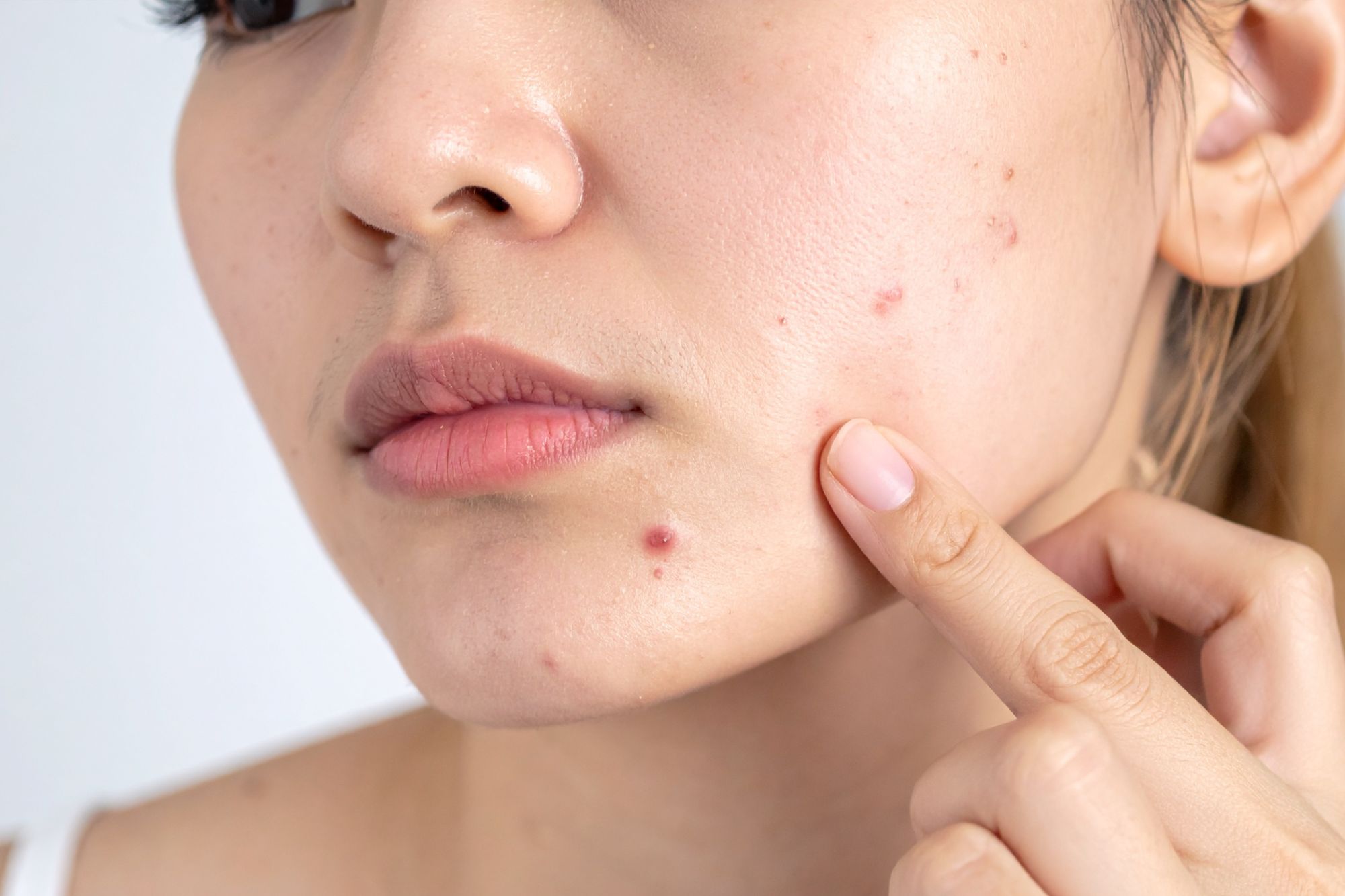
Acne occurs when pores become clogged with excess oil, dead skin cells, and bacteria. It most often appears on the face, back, chest, and shoulders. Understanding what triggers acne is essential before deciding on a treatment.
Key Causes of Acne:
- Hormonal Changes: Hormonal fluctuations, especially during puberty, menstruation, pregnancy, or stress, can increase sebum production, leading to clogged pores.
- Genetics: Genetics can play a role in acne, meaning individuals with a family history of breakouts may be more likely to develop acne themselves.
- Excess Oil Production: Overactive oil glands produce excess sebum, which mixes with dead skin cells and blocks pores, resulting in pimples.
- Bacteria: Propionibacterium acnes bacteria can multiply in clogged pores, causing inflammation.
- Diet and Lifestyle: High sugar intake, dairy products, stress, and poor sleep can worsen acne for some individuals.
- Medications and Skincare Products: Some medicines, cosmetics, or harsh skincare can trigger acne breakouts.
Professional Acne Treatment
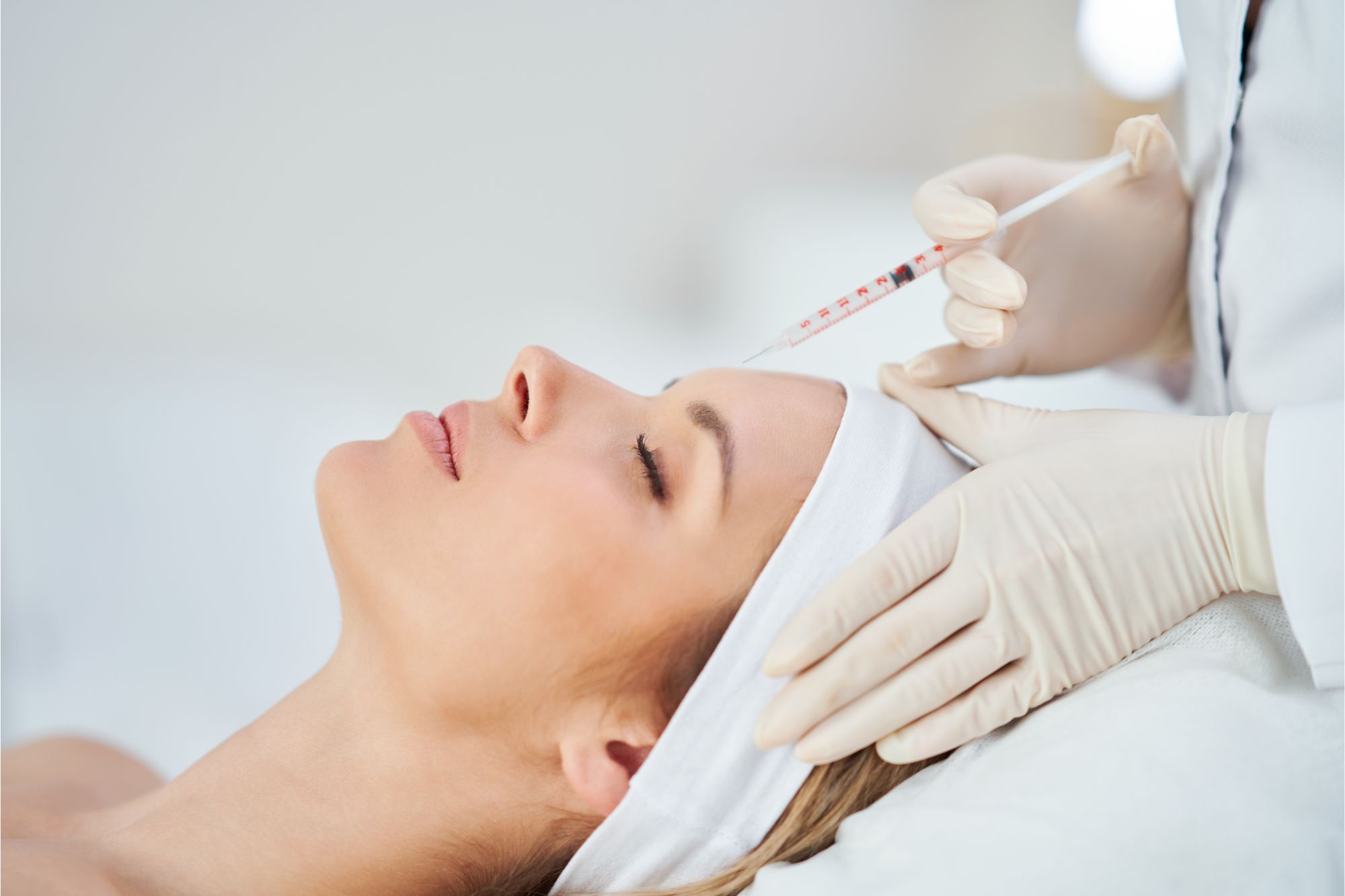
Professional acne treatments are carefully planned and supervised by trained dermatologists, aestheticians, or skin specialists. Unlike home remedies, these treatments are developed based on clinical research and proven medical practices. They use advanced technology and professional-grade products to target acne at its root causes, making them significantly more effective for managing mild, moderate, and severe acne. With expert supervision, treatments can be adjusted based on how your skin responds, ensuring safer, more consistent results.
Key Features of Professional Acne Treatments
- Personalised Skin Assessment: Before treatment begins, professionals conduct a detailed skin analysis to understand your skin type, acne severity, and contributing factors such as hormones, lifestyle, or previous skincare habits. This customised approach allows the treatment plan to be designed specifically to your skin’s needs.
- Medical-Grade Solutions: Professional treatments use medical-grade products and devices that are stronger and more effective than over-the-counter skincare. These solutions are designed to penetrate deeper into the skin, helping to reduce excess oil, clear clogged pores, and control acne-causing bacteria more efficiently.
- Advanced Treatment Technology: Many professional acne treatments incorporate advanced technologies such as laser therapy, chemical peels, and light-based treatments. These methods work beneath the skin surface to reduce inflammation, kill acne-causing bacteria, and accelerate skin renewal.
- Long-Term Skin Benefits: Beyond clearing existing breakouts, professional treatments focus on long-term skin health. They help reduce the risk of acne scarring, improve skin texture, and promote clearer, healthier-looking skin over time with proper maintenance and follow-up care.
Common Professional Acne Treatment
Here are the most widely used professional acne treatments:
1. Chemical Peels
- How it Works: Uses acids like glycolic or salicylic acid exfoliate the skin, helping to clear dead skin cells and open clogged pores.
- Benefits: Reduces blackheads, whiteheads, and light acne scars.
- Sessions Needed: Usually 4–6 sessions for optimal results.
2. Laser and Light Therapy
- How it Works: Targets bacteria and inflammation using blue or red light.
- Benefits: Reduces acne-causing bacteria and inflammation, promotes healing.
- Sessions Needed: 6–10 sessions, depending on severity.
3. Microdermabrasion
- How it Works: Exfoliates the skin surface using fine crystals to remove dead cells.
- Benefits: Smooths skin texture, reduces acne scars, improves product absorption.
- Sessions Needed: 5–8 sessions recommended.
4. Medical-Grade Topicals and Oral Medications
- How it Works: Prescription creams, gels, or antibiotics reduce oil production and bacterial growth.
- Benefits: Effective for moderate to severe acne.
- Duration: Usually 6–12 weeks for noticeable improvement.
Fact: Studies show that professional acne treatments can improve skin clarity by up to 80% in three months, depending on severity.
Benefits of Professional Acne Treatment
- Faster and More Visible Results: Professional acne treatments often deliver noticeable improvements within a few weeks, especially when compared to home remedies that may take months to show results. By using medical-grade products and advanced techniques, these treatments work more efficiently to reduce breakouts, inflammation, and redness.
- Targeted and Personalised Approach: Each professional treatment plan is tailored based on your skin type, acne severity, and underlying causes. This targeted approach ensures the treatment focuses on your specific concerns rather than a general solution that may not suit your skin.
- Helps Prevent Long-Term Scarring: By treating acne early and effectively, professional care helps minimise the risk of permanent scars and dark spots. Controlling inflammation and breakouts at an early stage reduces skin damage and supports healthier skin healing over time.
- Ongoing Medical Supervision: Professional acne treatments are carried out under expert supervision. Specialists monitor your skin’s response and make necessary adjustments to the treatment plan, helping ensure safety, comfort, and optimal results throughout the treatment.
- Boosts Confidence and Quality of Life: As acne improves and skin becomes clearer, many patients experience increased self-confidence. Clearer skin can positively affect social interactions, work environments, and overall emotional well-being.
Considerations of Professional Acne Treatment
While professional acne treatments are highly effective, it is important to understand a few considerations before starting treatment.
- Cost: Professional acne treatments generally cost more than home remedies because they involve medical-grade products, advanced technology, and expert supervision. However, many patients view this as a long-term investment in skin health, as effective treatment can reduce the recurrence of breakouts and future skin damage
- Time Commitment: Optimal results are typically achieved through multiple treatment sessions over several weeks or months. Consistency is key, as regular appointments allow the skin to respond gradually and safely to treatment
- Mild and Temporary Side Effects: Some professional treatments may cause short-term side effects such as redness, mild irritation, or increased skin sensitivity. These side effects are typically short-lived and fade as the skin heals and adjusts to the treatment.
- Results Are Not Always Instant: Although professional treatments work faster than home remedies, results are not immediate in every case. Certain acne conditions require ongoing sessions and proper aftercare before noticeable and lasting improvements appear.
Home Remedies for Acne
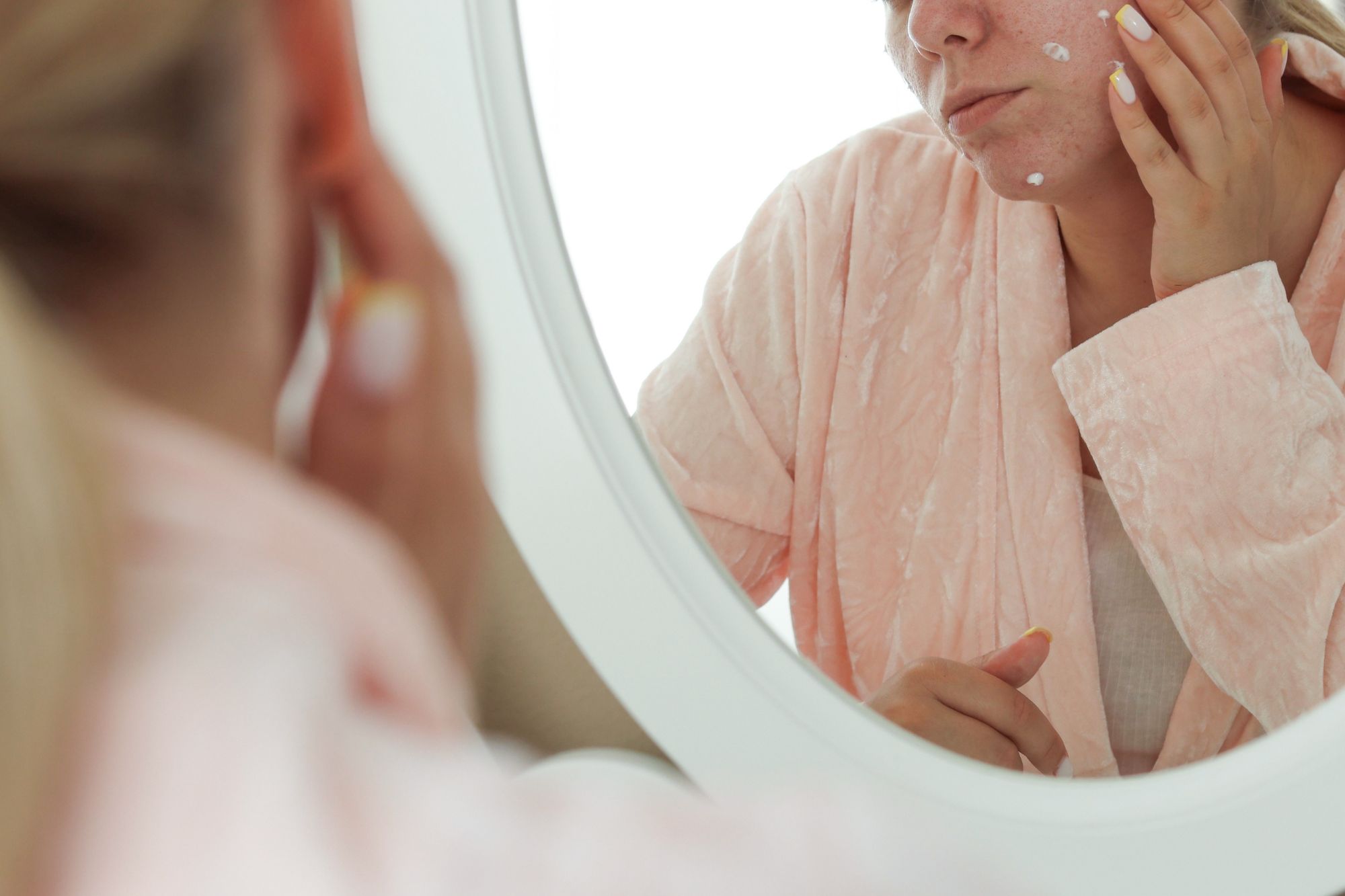
Home remedies for acne include natural treatments or over-the-counter solutions that can be easily applied at home. They have become increasingly popular because they are accessible, simple to use, and often more affordable than professional treatments. Many people turn to home remedies as a first step in managing mild acne. Their effectiveness, however, can differ greatly based on your skin type, the severity of your acne, and how consistently you apply the remedies. While home treatments may help reduce minor breakouts or soothe irritation, they are generally less effective for moderate to severe acne and cannot prevent long-term scarring.
Key Features of Home Remedies
- Low Cost: One of the main advantages of home remedies is affordability. Ingredients such as honey, tea tree oil, aloe vera, or green tea are inexpensive, readily available, and often found in your kitchen or at local stores. This makes them an attractive option for individuals looking to manage acne without incurring the cost of professional treatments.
- Natural Ingredients: Many home remedies rely on plant-based or natural ingredients with soothing, antibacterial, or anti-inflammatory properties. These natural ingredients work to soothe inflamed skin, reduce redness, and provide gentle care, especially for those with sensitive skin.
- Ease of Use: Home remedies can be applied at home without professional supervision. This flexibility allows individuals to integrate acne care into their daily routine, whether through masks, topical treatments, or simple cleansing.
Popular DIY Solutions for Acne
1. Tea Tree Oil
- How it Works: Has antibacterial and anti-inflammatory properties.
- Application: Always dilute with a carrier oil, then apply gently to pimples.
- Limitations: May irritate if used undiluted.
2. Honey and Cinnamon Mask
- How it Works: Both ingredients have antibacterial properties.
- Application: Mix honey and cinnamon, apply as a mask for 10–15 minutes.
- Limitations: Works best for mild acne only.
3. Aloe Vera Gel
- How it Works: Soothes inflammation and supports healing.
- Application: Apply fresh gel directly to affected areas daily.
4. Green Tea Extract
- How it Works: Contains antioxidants that reduce inflammation.
- Application: Can be applied topically or consumed as a drink.
5. Over-the-Counter Cleansers
- How it Works: Products containing salicylic acid or benzoyl peroxide unclog pores.
- Usage: Recommended daily use, but overuse may dry out the skin.
Fact: Studies suggest that while some home remedies can reduce mild acne by 10–30%, severe acne usually requires professional intervention.
Benefits of Home Remedies
- Affordable and Easily Accessible: One of the main advantages of home remedies is that most ingredients are inexpensive and can be found at home or in local stores. Common options like honey, aloe vera, green tea, or tea tree oil are widely available, making it easy for anyone to start basic acne care without costly products or professional appointments. This accessibility makes home remedies a convenient first step in managing mild breakouts.
- Low Risk for Mild Acne: Gentle home remedies are generally safe for managing minor acne. They can help reduce small breakouts, calm inflammation, and support skin healing without the need for prescription medication. Because they are mild and natural, the risk of severe side effects is low, especially when used correctly and consistently.
- Natural Approach for Sensitive Skin: Many home remedies rely on plant-based ingredients and natural compounds rather than harsh chemicals. This makes them particularly suitable for individuals with sensitive or easily irritated skin, offering a gentle alternative to stronger treatments that may cause dryness, redness, or peeling.
- Daily Skincare Support: When used properly, home remedies can complement professional acne treatments by providing ongoing support between sessions. Regular application of gentle remedies can help maintain skin balance, reduce minor breakouts, and enhance the overall effectiveness of professional care, contributing to healthier, clearer skin over time.
Limitations of Home Remedies
- Slow Results: One of the main limitations of home remedies is that improvements in acne may take a long time to become noticeable. For many people, noticeable improvement from home remedies may take several weeks or even months of consistent application. This slow process can be frustrating for those seeking quicker results, particularly when professional treatments often yield visible changes within just a few weeks.
- Limited Effectiveness for Moderate to Severe Acne: While home remedies may help reduce mild acne, they are generally not strong enough to manage moderate or severe acne. Conditions such as cystic acne, inflamed pimples, or widespread acne require professional medical care to prevent worsening and long-term damage. Relying solely on home remedies in such cases may delay effective treatment and allow acne to progress.
- Risk of Skin Reactions: Although home remedies use natural ingredients, they are not completely risk-free. Even though they are natural, ingredients such as tea tree oil, lemon juice, or cinnamon can sometimes cause skin irritation, redness, or allergic reactions, especially in sensitive individuals. It is important to patch-test any remedy and use it correctly to minimise the risk of adverse effects.
- No Prevention of Long-Term Scarring: Home remedies rarely prevent scarring or pigmentation caused by persistent acne. While they may reduce minor breakouts, they do not address deeper inflammation or tissue damage. Without professional intervention, long-term issues such as dark spots, pitted scars, or uneven skin texture may still occur, making early and effective treatment critical for lasting skin health.
Effective Treatment Options for Hormonal Acne
When comparing professional acne treatments with home remedies, several key differences stand out:
- Effectiveness: Professional acne treatments are highly effective and clinically proven to treat various types of acne, including moderate and severe cases. Home remedies, on the other hand, usually work best for mild acne and may not provide consistent results for more serious breakouts.
- Speed of Results: Professional treatments typically deliver faster results, often within a few weeks to a couple of months, depending on the treatment type and severity. Home remedies tend to work slowly, sometimes taking months to show noticeable improvements.
- Customisation: Professional treatments are personalised. Experts assess your skin type, acne severity, and underlying causes before designing a tailored treatment plan. Home remedies are generally one-size-fits-all, meaning they may not address your specific skin needs.
- Long-Term Benefits: Professional care aims to prevent long-term issues such as scarring, dark spots, and recurring acne. Home remedies have a limited impact on preventing scars or long-term acne complications.
- Cost: Professional treatments are an investment, often more expensive due to medical-grade equipment and supervision. Home remedies are inexpensive and widely accessible, making them a budget-friendly option.
- Medical Supervision: Treatments provided by dermatologists or skincare professionals are supervised, ensuring safety and adjustments based on your progress. Home remedies lack professional guidance, which may increase the risk of irritation or ineffective results.
When Should You Choose Professional Acne Treatment?
Consider professional acne treatment if you experience:
- Severe or cystic acne
- Frequent breakouts are unresponsive to home remedies
- Acne leaving scars or hyperpigmentation
- Acne causing emotional distress or affecting confidence
Professional treatments deliver faster, more reliable results, especially for complex or long-standing acne.
Frequently Asked Questions (FAQs)
1. Can home remedies replace professional treatment?
Mild acne may respond to home remedies, but moderate to severe acne usually requires professional care.
2. How long before I see results from professional acne treatment?
Most treatments show noticeable improvement within 4–6 weeks.
3. Are professional treatments painful?
Certain treatments may cause slight discomfort, but most are well-tolerated.
4. Can I combine home remedies with professional treatment?
Yes, gentle home remedies like aloe vera or green tea can complement professional care.
5. Is professional acne treatment safe for sensitive skin?
Yes, experts personalise treatments based on your skin type.
6. How often should I have professional acne sessions?
Typically, 1–2 sessions per week, depending on the method and severity.
7. Will professional treatment prevent acne scars?
Starting treatment early and using the right approach helps lower the chance of permanent scarring.
Why Choose MedicDeno’s Hormonal Acne Treatment?
At MedicDeno, we offer comprehensive acne care tailored to your skin type and condition. Our services include:
- Medical-Grade Facials: targeting acne and clogged pores
- Laser and Light Therapy: help control acne by targeting bacteria and calming skin inflammation.
- Chemical Peels: for smoother skin and scar prevention
- Personalised Skincare Plans: for long-term results
Our team of professionals ensures safe, effective, and visible results, helping patients regain confidence and healthier skin.
Fact: Patients often notice up to 80% improvement in acne within three months of consistent treatment at MedicDeno.
Acne can be challenging, but understanding your options is crucial. Home remedies offer a gentle, affordable approach for mild acne, while professional acne treatment provides faster, clinically proven results for moderate to severe cases. Combining expert care with good skincare practices can help maintain clear, healthy, and radiant skin.
Don’t let acne hold you back. At MedicDeno, our professional acne treatments are designed to rejuvenate, renew, and restore your skin. Book a consultation today and experience the transformation to healthy, glowing skin.