Acne Types, Causes, and Prevention
Acne is one of the most common skin conditions in the world, yet it is also one of the most misunderstood. Many people see acne as a normal part of growing up, while others believe it is caused by poor hygiene or unhealthy habits. In reality, acne is a medical skin condition that can affect people of all ages, skin types, and lifestyles. In Malaysia, acne is especially common due to hot weather, high humidity, and daily exposure to sweat and pollution. These environmental factors increase oil production and make pores more prone to clogging. As a result, acne breakouts can happen frequently and may last longer if not treated correctly.
Acne not only affects appearance. It can also impact self-confidence, emotional well-being, and social interactions. For some people, acne scars remain long after breakouts have healed, creating long-term skin concerns. This complete guide explains acne in a clear and practical way. You will learn what acne is, the different types of acne, who it affects, what causes it, how it is treated, and how it can be prevented. With the right information and professional care, healthier and clearer skin is achievable.
What Is Acne?
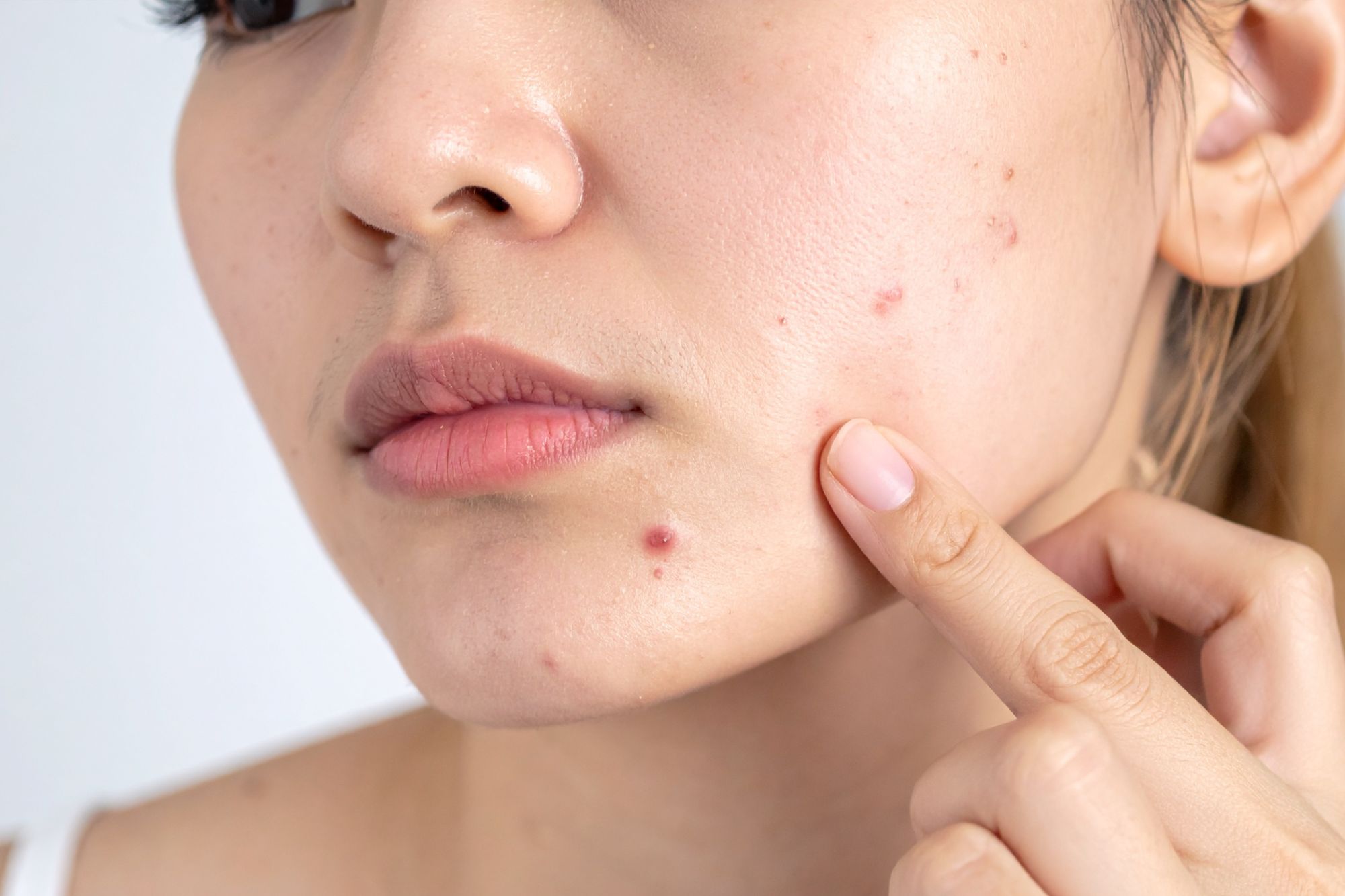
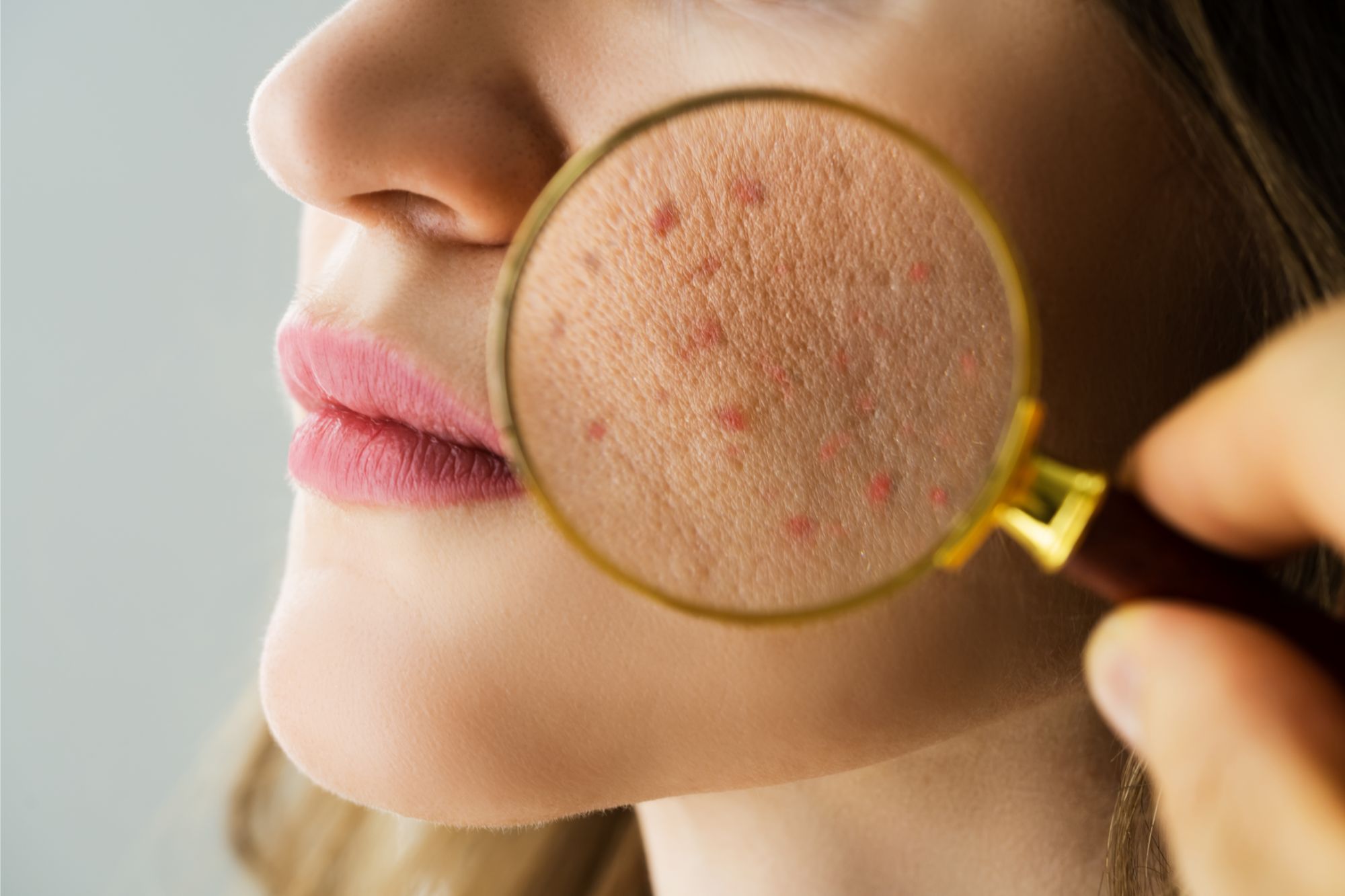
Acne is a chronic inflammatory skin condition that develops when pores become blocked with excess oil, dead skin cells, and bacteria. These blockages prevent the skin from functioning normally and create an environment where inflammation can easily occur. As a result, acne appears as pimples, red bumps, pus-filled lesions, or deeper, more painful lumps under the skin.
Each pore on the skin is connected to a hair follicle and a sebaceous gland. The sebaceous glands produce sebum, a natural oil that helps keep the skin soft, hydrated, and protected from external damage. Under normal conditions, sebum travels through the pore and reaches the skin surface, where it helps maintain a healthy skin barrier.
However, problems begin when the sebaceous gland becomes overactive. When too much oil is produced, it mixes with dead skin cells that are not shed properly. This mixture builds up inside the pore and blocks the opening. Once the pore is clogged, oxygen levels inside the follicle drop, creating an ideal environment for acne-causing bacteria to grow and multiply.
When a pore becomes blocked, several processes happen at the same time:
- Bacteria multiply rapidly inside the clogged pore
- The immune system recognises the blockage as a threat and triggers an inflammatory response
- Redness, swelling, tenderness, and acne lesions begin to form
Depending on how deep the blockage and inflammation are, acne may appear as small surface-level bumps or as deep, painful lesions that take longer to heal. This explains why some acne clears quickly, while other types last for weeks or even months.
It is important to understand that acne is not caused by dirt or poor hygiene. In fact, washing the face too often or using harsh cleansers can strip the skin of its natural oils. When the skin barrier is damaged, the sebaceous glands may produce even more oil to compensate, which can worsen acne over time. Gentle cleansing and proper skincare are essential for maintaining healthy, balanced skin.
Types of Acne
Acne appears in different forms, and each type behaves differently on the skin. Some are mild, like blackheads and whiteheads, while others are deeper and more inflamed, such as pustules or cysts. Identifying the type of acne is important because it helps choose the most effective treatment, prevent scarring, and manage future breakouts more efficiently.
1. Non-Inflammatory Acne: Non-inflammatory acne does not usually cause pain or swelling.
(a) Blackheads: Blackheads form when pores are clogged but remain open at the surface. The dark colour comes from oil oxidation, not from dirt. Blackheads are commonly found on the nose, forehead, and chin.
(b) Whiteheads: Whiteheads occur when clogged pores are completely closed. They appear as small white or skin-coloured bumps. Whiteheads can be stubborn and often worsen if squeezed.
2. Inflammatory Acne: Inflammatory acne involves redness, swelling, and tenderness.
(a) Papules: Papules are small red bumps without pus. They are often sensitive and indicate inflammation beneath the skin surface.
(b) Pustules: Pustules are red bumps filled with white or yellow pus. These are commonly called pimples and may be painful.
3. Severe Acne: Severe acne affects deeper layers of the skin and has a higher risk of scarring.
(a) Nodules: Nodules are large, hard, painful lumps that form deep under the skin. They take a long time to heal and should not be touched.
(b) Cysts: Cysts are soft, pus-filled lesions that develop deep within the skin. Cystic acne is the most severe form of acne and almost always requires professional treatment to prevent permanent scars.
Who Does Acne Affect?
Acne is a common skin condition that can affect people of all ages, genders, and skin types. While it is often linked to adolescence, acne does not disappear after the teenage years and can continue or even start in adulthood.
Acne commonly affects:
- Teenagers: often experience acne due to hormonal changes during puberty that increase oil production
- Adults: may develop acne due to stress, hormonal imbalance, lack of sleep, or lifestyle habits
- Women: more likely to experience hormonal acne related to menstrual cycles, pregnancy, or hormonal fluctuations
- Men: may experience more severe or inflamed acne due to higher testosterone levels and increased oil production
Research shows that nearly 50% of adults aged 20 to 40 experience acne at some point in their lives. This clearly shows that acne is not just a teenage problem. Most importantly, acne is not a sign of poor hygiene or unhealthy living. It is a medical skin condition influenced by internal and external factors and often requires proper skincare and professional treatment.
How Common Is Acne?
Acne is one of the most common skin conditions worldwide and affects people of all ages. Although it is often associated with teenagers, acne continues to affect many adults as well.
Key facts about acne include:
- Acne affects over 650 million people globally, making it a widespread skin concern
- Around 85% of teenagers experience acne during puberty due to hormonal changes
- Up to 20% of acne cases may result in permanent scarring if not treated early
- Acne is ranked among the top 10 most common diseases worldwide
These figures clearly show that acne is not a minor or temporary issue. Without proper treatment, acne can lead to long-term skin damage, emotional stress, and lasting scars.
Where on the Body Does Acne Appear?
Acne develops in areas of the body that contain a high number of oil-producing glands. These areas are more prone to clogged pores and inflammation.
Common areas where acne appears include:
- Face: especially the forehead, cheeks, nose, and chin
- Jawline and neck: often linked to hormonal changes
- Chest: particularly in people who sweat frequently
- Upper back: where oil glands are larger and more active
- Shoulders: often affected by friction from clothing or bags
In general, facial acne is more influenced by hormones and skincare habits, while body acne is more related to sweat, heat, friction, and tight or non-breathable clothing.
Symptoms of Acne
Acne symptoms can differ from person to person, depending on skin type, lifestyle, and the severity of the condition. Some people experience mild breakouts, while others may develop deeper and more painful acne lesions.
Common symptoms of acne include:
- Oily or shiny skin: especially around the face and T-zone
- Whiteheads and blackheads: caused by clogged pores
- Red or inflamed bumps: may feel tender to the touch
- Painful deep lumps under the skin: often linked to severe acne
- Pus-filled pimples: which indicate active inflammation
- Dark marks after acne heals: also known as post-acne pigmentation
- Uneven skin texture: caused by repeated breakouts
- Permanent scarring in severe cases: especially when acne is untreated or picked
Beyond physical symptoms, acne can also affect emotional well-being. Many people experience stress, anxiety, frustration, and reduced self-confidence due to visible breakouts and long-lasting marks.
What Causes Acne?
Acne is caused by several factors working together.
- Excess Oil Production: Hormonal changes stimulate sebaceous glands to produce excess oil.
- Clogged Pores: Dead skin cells accumulate and clog pores when skin renewal slows.
- Bacterial Growth: Bacteria multiply inside blocked pores and trigger inflammation.
- Hormonal Fluctuations: Hormonal changes occur during puberty, menstruation, pregnancy, and periods of stress.
- Genetic Factors: People with a family history of acne are more likely to develop it.
Triggers That Make Acne Worse
Triggers do not directly cause acne, but they can make existing acne more frequent, inflamed, or difficult to control. Identifying these triggers is important for long-term acne management.
Common acne triggers include:
- Stress and lack of sleep: increase hormone levels linked to oil production
- High humidity and sweating: especially in hot climates
- Harsh skincare products: irritate the skin and damage the skin barrier
- Heavy or pore-clogging makeup: particularly if not removed properly
- Touching or picking acne: spreads bacteria and increases scarring risk
- Wearing tight clothing or face masks: cause friction and trapped sweat
Managing these triggers through proper skincare, lifestyle adjustments, and professional advice can help reduce the frequency and severity of acne breakouts over time.
Foods That May Trigger Acne
Diet does not directly cause acne, but certain foods may increase systemic inflammation and worsen existing breakouts. For some people, these foods can trigger more frequent or more severe acne flare-ups, especially when consumed regularly.
Foods commonly linked to acne flare-ups include:
- Sugary snacks and drinks: cause spikes in blood sugar and oil production
- Refined carbohydrates: such as white bread and pastries, may increase inflammation
- Fast food and fried food: often high in unhealthy fats
- Dairy products: especially milk, may influence hormone levels in some individuals
- Highly processed foods: containing additives that can affect overall skin health
On the other hand, maintaining a balanced diet with plenty of vegetables, fruits, whole foods, and healthy fats can support better skin health and help reduce inflammation over time.
How Is Acne Diagnosed?
Acne is usually diagnosed through a detailed skin examination performed by a trained skincare professional. This assessment helps determine the most effective treatment approach based on individual skin needs.
During the diagnosis, a skincare professional will assess:
- Type of acne lesions: such as blackheads, pimples, or deep cysts
- Severity level: ranging from mild to severe acne
- Skin sensitivity: to avoid irritation during treatment
- Presence of scars or dark marks: may require targeted care
- Skincare and lifestyle habits: including product use and daily routines
In some cases, especially for persistent or recurring adult acne, a hormonal evaluation may be recommended to identify underlying factors contributing to breakouts.
How Severe Can Acne Get?
Acne severity can vary greatly from person to person. Some people experience only occasional breakouts, while others struggle with long-term and painful acne. Understanding the severity level helps determine the right treatment approach and reduces the risk of permanent skin damage.
Acne severity is generally classified into 3 levels:
1. Mild Acne:
- Mostly blackheads and whiteheads
- Minimal redness or inflammation
- Breakouts are usually small and heal quickly
2. Moderate Acne:
- Regular breakouts with visible redness
- Presence of papules and pustules
- Acne may spread across larger areas of the face or body
3. Severe Acne:
- Deep, painful nodules and cysts
- Inflammation occurs beneath the skin surface
- High risk of permanent scarring if left untreated
Early and appropriate treatment helps control inflammation, shortens healing time, and significantly improves long-term skin health.
How Is Acne Treated?
Acne treatment depends on the type and severity of acne, as well as the skin condition.
1. Professional Acne Treatments:
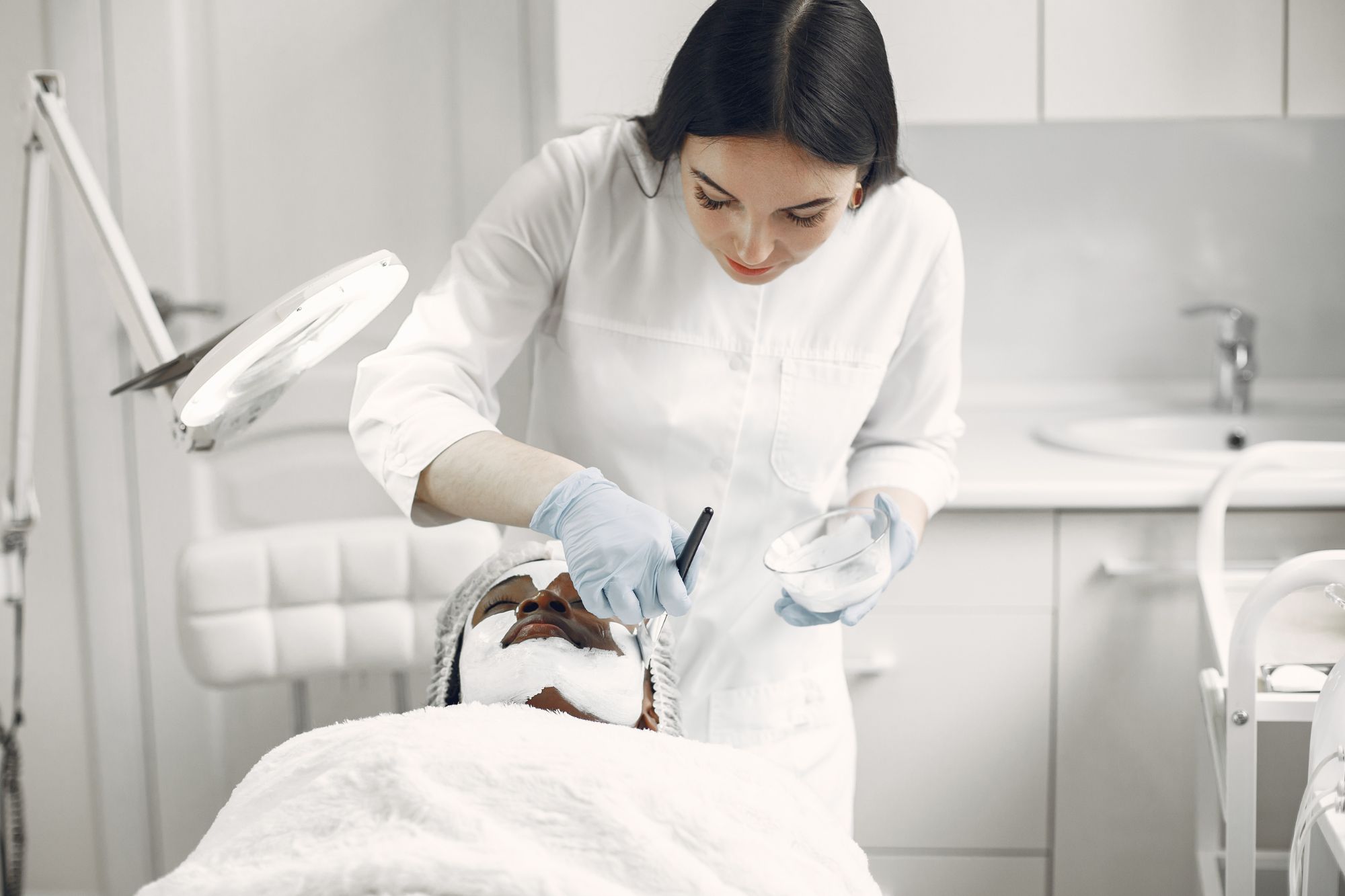
- Deep cleansing facials
- Medical-grade exfoliation
- LED light therapy
- Acne-calming treatments
- Scar prevention therapies
2. Topical Treatments:
- Salicylic acid
- Benzoyl peroxide
- Retinoids
3. Oral Treatments:
- Antibiotics for inflammation
- Hormonal therapy for selected cases
At MedicDeno, acne treatments are customised to ensure safe, effective, and visible results.
How to Prevent Acne Effectively?
Preventing acne requires consistency, patience, and proper skincare habits. Small daily actions can make a big difference in keeping breakouts under control.
Key acne prevention tips include:
- Cleanse gently twice daily to remove excess oil and impurities
- Avoid harsh scrubs, which can irritate the skin and worsen inflammation
- Use non-comedogenic products that do not clog pores
- Remove makeup before sleep to prevent pore blockage
- Change pillowcases regularly to reduce bacteria buildup
- Manage stress levels, as stress can trigger hormonal changes
- Seek professional care early to prevent severe acne and scarring
Consistent prevention is far more effective than treating acne scars after they develop, making early care essential for healthy, clear skin.
Frequently Asked Questions (FAQs)
1. Is acne contagious?
No, acne is not contagious and cannot be spread from one person to another. It develops due to factors like blocked pores, bacteria in the skin, and hormonal changes, not through contact with someone else.
2. Can acne heal without treatment?
Mild acne may improve on its own over time. However, untreated acne often worsens, especially if it becomes inflamed or cystic. Professional care can prevent breakouts from escalating and reduce the risk of scarring.
3. Does washing the face frequently help acne?
Over-washing can strip the skin of its natural oils and damage the skin barrier, worsening acne. Gentle cleansing twice daily with a suitable, non-irritating cleanser is more effective for managing breakouts.
4. Are acne scars permanent?
Some acne scars, particularly deep or cystic scars, can be permanent. However, many scars can be significantly improved with professional treatments such as chemical peels, laser therapy, or targeted facials.
5. Does sunscreen cause acne?
Non-comedogenic sunscreen is formulated to avoid pore clogging. Using sunscreen daily is important for protecting your skin from UV damage and preventing dark marks or hyperpigmentation from acne.
6. How long does acne treatment take to show results?
Visible improvement usually occurs within 4 to 8 weeks, depending on the type and severity of acne. Consistency in following professional advice and skincare routines is key to achieving faster, longer-lasting results.
7. Should acne be treated early?
Yes, early treatment is important. Addressing acne promptly can reduce inflammation, prevent severe breakouts, and lower the risk of permanent scars, making long-term skin management easier.
About MedicDeno
MedicDeno is a leading skin solutions centre in Malaysia, dedicated to providing comprehensive and personalised skincare treatments. From gentle, general facials to advanced skin rejuvenation therapies, MedicDeno combines professional expertise with proven technology to address a wide range of skin concerns. Each treatment is carefully designed to pamper, refresh, and renew the skin, targeting both immediate improvements and long-term skin health. With a focus on visible, lasting results, MedicDeno ensures every client leaves with healthier, glowing, revitalised skin.
Acne is a complex skin condition influenced by hormones, lifestyle, environment, and skincare habits. Understanding acne types, causes, and triggers allows you to manage breakouts more effectively and protect your skin from long-term damage. With proper care and professional guidance, acne can be controlled, scars can be prevented, and skin health can be restored.
Struggling with acne or recurring breakouts? Let MedicDeno help you achieve clearer, healthier skin with personalised acne treatments designed for your skin condition. Book your professional skin consultation at MedicDeno today and take the first step toward confident, radiant skin.